
What Is a Skin Booster? Fresh, Hydrated Skin

What Is a Skin Booster? Fresh, Hydrated Skin

That flat, tired-looking skin feeling can show up even when your skincare routine is on point. If you are asking, what is a skin booster, it is an injectable treatment designed to improve skin hydration, softness and luminosity from within, rather than changing the shape of your face. Think of it as a treatment for fresh, bouncy, healthy-looking skin – ideal when you want a polished glow without a dramatically altered look.

What is a skin booster treatment?

A skin booster is a series of tiny injections placed just beneath the skin’s surface. Most established skin boosters use hyaluronic acid, a substance naturally found in the body that attracts and holds water. Unlike traditional dermal filler, it is usually a softer, more fluid product that is spread across an area to support overall skin quality.

The aim is not to build volume in the cheeks, sharpen the jawline or create a fuller lip shape. Instead, skin boosters focus on hydration, texture and radiance. They can help skin look smoother and more rested, particularly where dehydration, fine lines or a slightly crepey texture are making your complexion feel less fresh.

Results are often subtle in the best way. Friends may simply think you look well, as though you have had a proper break, more water and a brilliant facial. The treatment works gradually, so it suits clients who prefer refined enhancement over an obvious aesthetic change.

How do skin boosters work?

Hyaluronic acid acts like a moisture magnet. When injected into the skin, it can improve hydration in the treated area and support a more supple appearance. Many formulas are also designed to encourage the skin’s own collagen and elastin response over time, although the exact result depends on the product used, your skin condition, lifestyle and aftercare.

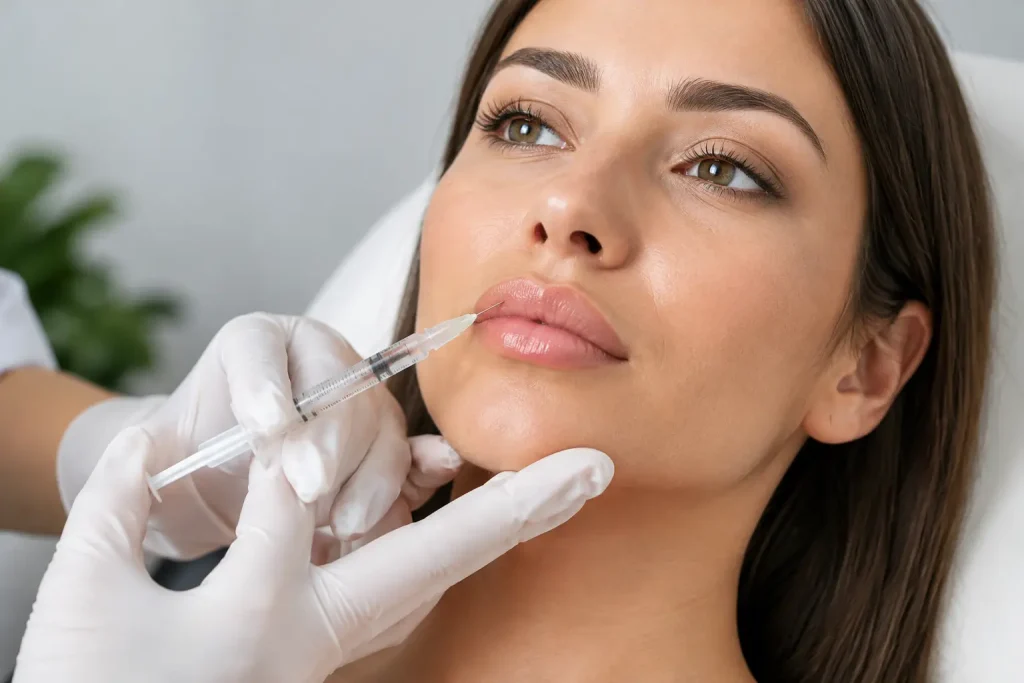
An aesthetic practitioner maps the chosen area, then uses a very fine needle or cannula to place small amounts of product at carefully selected points. Some people describe a light sting or pressure. Numbing cream may be used where appropriate to make the appointment more comfortable.

You may notice a little glow quite quickly, but the more settled result usually develops over the following weeks as the product integrates and hydration improves. Many treatment plans involve an initial course of two or sometimes three appointments, spaced a few weeks apart, followed by maintenance when needed.

Skin boosters vs dermal fillers

Skin boosters and fillers are both injectable treatments, and some use hyaluronic acid, but they have different jobs. Knowing the difference helps you choose a treatment that matches what you actually want to improve.

Dermal filler is used to add or restore shape and volume. It may be chosen for fuller lips, cheek contour, tear trough concerns, chin projection or facial balancing. It is generally more structured than a skin booster and is placed with a specific shaping goal in mind.

A skin booster is more about the condition of the skin itself. It can be a lovely option if your face looks dehydrated, make-up is sitting unevenly, or fine lines are more noticeable than usual. It will not replace lost volume or give the lifting effect of strategically placed filler. Equally, filler will not necessarily address dullness and dehydration across a wider area.

For some clients, the best approach is a combination plan. For example, subtle contouring might be paired with a skin booster course to keep the complexion looking hydrated and naturally radiant. A consultation is the right place to discuss this, rather than choosing based on a social media trend alone.

Which areas can be treated?

Skin boosters are versatile, but suitability always depends on the product and assessment. The face is the most popular treatment area, particularly the cheeks, lower face and areas where skin looks dull or dry. They may also be used on the neck, décolletage and hands, where fine lines and loss of smoothness can be more visible.

Under-eye concerns need careful assessment. Dark circles, puffiness, hollowness and fine lines can have different causes, so an under-eye skin booster is not a one-size-fits-all answer. A qualified practitioner should assess the tissue, your medical history and the result you are hoping for before recommending treatment.

If your goal is event-ready skin for a wedding, birthday, holiday or big night out, plan ahead. Skin boosters are not usually a last-minute treatment because temporary swelling or small injection marks can occur, and the best result is not always immediate.

What can skin boosters help with?

Skin boosters are often selected for dehydrated, lacklustre or uneven-looking skin. They can help improve the appearance of fine lines caused by dryness, rough texture and a loss of that smooth, light-reflecting finish people associate with healthy skin.

They are particularly popular when seasonal weather, central heating, stress, late nights or a busy social calendar have left the complexion looking less vibrant. They can complement a good skincare routine, but they do not replace daily SPF, gentle cleansing, moisturiser or professional advice for conditions such as acne, rosacea or pigmentation.

It is also worth keeping expectations realistic. A skin booster cannot erase deep wrinkles, tighten significant loose skin or treat every skin concern. If texture, scarring, pigmentation or active breakouts are your main concern, another aesthetic or facial treatment may be more suitable, either instead of or alongside injectable hydration.

What happens at a skin booster appointment?

A professional appointment should begin with a consultation, not the injection. Your practitioner should ask about your medical history, allergies, current medication, previous aesthetic treatments and the result you want. They should explain the product being considered, where it will be placed, possible side effects, aftercare and the cost of your recommended plan.

On the day, your skin is cleansed and the treatment area may be marked. The injections themselves are usually relatively quick, although appointment length varies depending on the areas being treated. Small raised bumps can be visible immediately after some techniques. These normally settle as the product disperses, but your practitioner will explain what is expected for your individual treatment.

At Glam Master, a consultation-led approach means your skin goals come first. Whether you want a soft glow before a special occasion or a longer-term plan for more hydrated-looking skin, you should leave knowing what treatment has been recommended and why.

Downtime, side effects and aftercare

Skin booster downtime is usually minimal, but it is still an injectable treatment. Common short-term effects can include redness, tenderness, swelling, bruising, itching or small bumps at injection points. These often settle within a few days, although bruising can last longer for some people.

For the first 24 to 48 hours, your practitioner may advise avoiding strenuous exercise, excessive heat, saunas, steam rooms, alcohol and heavy make-up. Keep the area clean, avoid pressing or massaging it unless specifically instructed, and follow any personalised aftercare advice you are given.

Do not book injectable treatments if you have an active skin infection, are feeling unwell, or have a cold sore outbreak near the treatment area. Pregnancy and breastfeeding, certain medical conditions and particular medications may also affect suitability. Always be open in your consultation – this is about getting a beautiful result safely, not rushing into an appointment.

How long do skin booster results last?

There is no single answer because longevity varies by product, treatment area, metabolism, skincare routine, sun exposure and the condition of your skin before treatment. Many people enjoy the effects for around six months, while others may need maintenance sooner or find that results last longer after an initial course.

A good practitioner will not promise identical results for everyone. They will recommend a sensible schedule based on your skin and budget, then review how you respond. Consistency matters more than chasing an overly dramatic result.

Is a skin booster right for you?

A skin booster may be a great match if you want smoother, more hydrated and luminous-looking skin without changing your natural features. It is especially appealing if your concern is skin quality rather than facial volume. However, the right treatment depends on what is causing the concern in the first place.

The most flattering aesthetic results are rarely about doing the most. They come from choosing a treatment that suits your face, your skin and your lifestyle. Book a consultation, ask questions, and give your skin the thoughtful care it deserves.

Best Acne Facial Treatments for Clearer Skin

Best Acne Facial Treatments for Clearer Skin

A breakout before a big night out can make you want results immediately. The best acne facial treatments can help decongest the skin, calm its appearance and support a clearer-looking complexion, but the right choice depends on whether you are dealing with blocked pores, active blemishes, oiliness, marks or sensitivity.

At Glam Master, we believe facials should feel indulgent and work hard for your skin. A professional treatment is not about harsh scrubbing or squeezing everything in sight. It is about assessing what your skin needs on that day, then choosing a treatment that cleanses, refines and restores without leaving your complexion overwhelmed.

What causes acne and congestion?

Acne develops when pores become blocked with excess oil, dead skin cells and debris. Bacteria and inflammation can then contribute to sore, red or pus-filled spots. Hormones, stress, certain skincare products, makeup left on overnight and friction from mobile phones, pillowcases or face coverings can all play a part.

Not every breakout is the same. Small flesh-coloured bumps and blackheads usually point to congestion, while painful cystic spots need a gentler, more considered approach. If your acne is severe, persistent, painful or leaving scars, speak to a GP or dermatologist. A facial can be a valuable part of your skin routine, but it is not a replacement for medical acne treatment.

If you are looking for a personalised approach in Fallowfield, explore our Acne Treatment Manchester consultation page. If breakouts have left persistent marks or texture, you can also read about Acne Scar Treatment Manchester.

Best acne facial treatments to consider

Deep-cleansing facial for blocked pores

A deep-cleansing facial is often the best starting point for oily, congested skin with blackheads, whiteheads and dull texture. Your therapist begins with a skin assessment, followed by thorough cleansing, exfoliation and steam where suitable. This softens surface build-up and prepares the skin for careful extraction.

Professional extraction can remove stubborn congestion more safely than picking at home. It should never be rushed or aggressive. Over-squeezing can irritate the skin, spread bacteria and increase the risk of marks, so the treatment must be tailored to what can be lifted easily.

Finish with a calming mask and lightweight hydration rather than heavy, pore-clogging products. You should leave looking fresh, although slight temporary redness after extraction can happen.

Chemical peel treatments for texture and post-blemish marks

Chemical peels use carefully selected acids to encourage skin renewal. For breakout-prone complexions, lighter superficial peels are often used to help clear dead skin cells from the surface, refine the look of pores and improve uneven texture. Some can also help fade the look of the lingering brown or red marks left after blemishes.

The best peel is not necessarily the strongest one. Salicylic acid is commonly chosen for oily and congested skin because it is oil-soluble and can work within the pore lining. Lactic or mandelic acid may be considered where the skin is more sensitive or dehydrated. Your therapist should assess your skin, your current routine and any recent treatments before recommending an option.

You may experience light flaking, dryness or sensitivity afterwards, depending on the peel. Avoid booking one immediately before a wedding, holiday or major event unless you have had the treatment before and understand how your skin responds. Consistency usually delivers better results than one intense appointment.

LED light therapy for inflamed-looking breakouts

LED light therapy is a comfortable, non-invasive option that can complement a facial plan for active, inflamed-looking skin. Blue light is frequently used within acne-focused treatments, while red light is often selected to support a calmer-looking complexion and skin recovery.

This treatment does not involve picking, needles or downtime, making it appealing when your skin feels tender. It tends to work best as a course rather than a one-off facial, particularly if breakouts are recurring. Your therapist can advise on how often to book according to your skin condition and goals.

Hydrating facial for acne-prone but dehydrated skin

Oily skin can still be dehydrated. In fact, using too many stripping cleansers, strong spot products and abrasive scrubs can leave the skin tight, flaky and reactive. It may then produce more oil in response, creating a cycle that feels impossible to manage.

A hydration-focused facial can restore comfort without weighing down acne-prone skin. Look for gentle cleansing, calming ingredients, barrier-supporting serums and non-comedogenic moisturising products. This is particularly useful if you are using prescription acne products or have recently overdone exfoliation at home.

Microneedling only when active acne has settled

Microneedling is often requested for acne scarring and uneven texture, not for active acne. It creates controlled microchannels in the skin to support collagen production and can help improve the appearance of indented scars over a series of sessions.

However, treatment should usually be postponed if you have active inflamed breakouts in the area. Working over active acne may aggravate the skin or spread bacteria. An honest consultation matters here: clearing and calming active blemishes should come before targeting scars.

How to choose the right facial for your skin

A proper consultation is where great results begin. Tell your therapist about your current skincare, prescription creams, allergies, skin sensitivity and any recent treatments. Retinoids, strong exfoliants and certain medications may mean that a peel, extraction or advanced treatment needs to be adjusted or delayed.

If your main concern is blackheads and congestion, start with a deep-cleansing facial and a realistic home routine. If you are left with marks and rough texture after spots heal, a course of light peels may be more suitable. If your skin is sore, dry and reactive, focus on calming hydration before adding stronger actives.

It also depends on your diary. A gentle, glow-boosting facial can be a lovely choice before an event, while extraction or peel treatments are better booked with a little recovery time. Your skin deserves more than a one-size-fits-all treatment chosen from a trend online.

What to do before and after an acne facial

For the best experience, arrive with minimal makeup where possible and avoid introducing new active skincare products in the days before your appointment. Do not pick, squeeze or exfoliate aggressively beforehand. The goal is to give your therapist a clear view of your natural skin condition.

After your facial, keep things simple for 24 to 48 hours. Use a gentle cleanser, moisturiser and daily SPF. Avoid scrubs, exfoliating acids, retinoids, steam rooms and heavy makeup if your skin feels sensitive. Keep hands away from your face, change your pillowcase regularly and clean makeup brushes often.

If you have had extractions, resist the temptation to inspect every pore in a magnifying mirror. Slight redness is normal, but persistent swelling, blistering or a worsening reaction should be discussed with a qualified professional promptly.

Can facials clear acne permanently?

No facial can promise permanent acne clearance because breakouts have many causes, including hormones and genetics. What professional treatments can do is help manage congestion, improve the look and feel of your skin, and give you a routine that makes sense for your complexion.

The strongest results usually come from regular appointments paired with consistent home care. That does not mean using ten products. A gentle cleanser, suitable moisturiser, sunscreen and carefully chosen active ingredients are often more useful than constantly changing your routine.

Book your acne facial consultation in Manchester

If your complexion feels congested, dull or difficult to manage, book a consultation at Glam Master in Fallowfield. We will look at your skin concerns, your lifestyle and the finish you want, then recommend a facial plan that feels luxurious and genuinely suited to you. Clearer-looking skin is not about chasing perfection – it is about giving your complexion the expert care and consistency it has been asking for.

Natural Filler Trends: The Soft, Refined Look

Natural Filler Trends: The Soft, Refined Look

A great aesthetic result should make people notice that you look fresh, rested and beautifully put together – not leave them trying to work out what has changed. That is exactly why natural filler trends are shaping so many consultation requests. The look is less about dramatically changing one feature and more about restoring soft volume, improving balance and creating a polished version of you.

For some clients, that means a subtle lip enhancement with a defined but not overdrawn shape. For others, it is gentle cheek support, softer smile lines or a more balanced profile. The best plan is never copied from a social-media filter. It is tailored to your natural facial structure, skin quality, lifestyle and the look you genuinely want to maintain.

What natural filler trends really mean

“Natural” does not have to mean invisible. It means the result works with your face rather than competing with it. You should still look like yourself, only more refreshed, balanced and confident.

The current preference is for strategic placement instead of adding filler everywhere. A skilled practitioner considers how your features move when you smile, speak and laugh, as well as how they look in photographs. This matters because a result that looks perfect in a still image may not feel right in day-to-day life.

There is also a shift away from treating every concern in isolation. For example, a client who feels their lower face looks heavy may not need more volume in the lips or jaw. Depending on their anatomy, a small amount of support higher in the face may create a more lifted, harmonious effect. This is why a consultation is the starting point, not an optional extra.

The features clients are enhancing now

Soft, hydrated-looking lips

Lip filler remains popular, but the requested finish has evolved. Many clients want lips that look smooth, moisturised and proportionate, with a gentle shape rather than an exaggerated outline. The aim may be to correct asymmetry, replace volume lost over time or give lipstick a cleaner canvas.

More filler is not always the answer. If lips have been treated repeatedly without enough time for assessment, they can begin to look overfilled or lose definition. A careful approach may involve a conservative treatment, a review appointment and the confidence to stop when the lips already look beautifully balanced.

Cheek support and facial balance

Cheek filler is often associated with prominent contours, but natural-looking cheek enhancement can be far softer. Thoughtful placement may restore the gentle fullness that naturally reduces with age, creating the appearance of a fresher, more supported mid-face.

This treatment can be especially appealing if you feel you look tired despite sleeping well, or if your face appears flatter in photos. The right approach depends on the width of your face, existing cheekbone structure and how much volume is appropriate for you. Sharp, high drama can be gorgeous for some clients, but it is not the only route to a glamorous result.

Profile balancing without a one-size-fits-all look

Profile balancing looks at how features relate to each other. It may involve considering the chin, jawline, lips or cheeks as part of one overall picture. The purpose is not to create the same side profile for everyone. It is to bring proportion and confidence to your own features.

A slightly recessed chin, for instance, can affect how the jawline and lips appear from the side. In the right candidate, subtle chin enhancement may bring balance without changing the character of the face. Your practitioner should explain what is realistically achievable, including when filler is not the right treatment for your goals.

Fresher under-eye and lower-face appearance

Tired-looking eyes and deeper folds around the mouth are common concerns, but they require a cautious, individual approach. The under-eye area is delicate and not everyone is suitable for filler there. Puffiness, pigmentation, skin laxity and fluid retention can all influence the best treatment choice.

The same applies to lower-face lines. Sometimes volume support elsewhere can soften the appearance of a fold; sometimes skin treatments, anti-wrinkle treatment or a combination plan may be more appropriate. Honest advice is part of achieving a result you will love, not a barrier to treatment.

Why less can look more expensive

Natural results are not about cutting corners or using the smallest possible amount for every person. They come from precision. The most flattering treatment may be a subtle first appointment followed by time to settle, assess and decide whether you want more.

This staged approach has practical benefits. It gives you the chance to get used to your reflection and helps avoid chasing an instant, overfilled result. It also means your treatment can evolve with you, whether you are preparing for a wedding, refreshing your look before a big birthday or simply keeping up with your regular beauty maintenance.

Your face is not a trend board. What suits a celebrity, influencer or friend may not suit your bone structure, proportions or personal style. Bring inspiration images if they help communicate your preferred finish, but expect your practitioner to translate that inspiration into a plan made for you.

What to ask at your filler consultation

A consultation should feel clear, calm and personal. It is your opportunity to discuss what you like about your face, what you would like to enhance and what you definitely do not want. Be open about previous filler, aesthetic treatments, allergies, medications and relevant medical history. These details help your practitioner assess suitability and plan safely.

Ask what product is proposed, where it will be placed and why that placement has been recommended. You should also understand the likely result, aftercare, possible side effects, downtime and when you can expect to see the settled outcome. Bruising, swelling and tenderness can happen, so it is wise not to schedule filler immediately before an important event.

You may also want to ask whether your desired result is sensible in one session or better built gradually. A practitioner who recommends a lighter first treatment is not holding back your glow-up. They may be protecting the soft, refined finish you came in for.

Choosing a look that lasts beyond the trend

The most useful natural filler trend is not a specific lip shape or cheek contour. It is choosing treatments with intention. Think about the version of yourself you want to see in the mirror on an ordinary Tuesday, not just under party lighting or in a heavily edited photo.

At Glam Master, consultations are designed to help you make that choice with confidence. Whether you are considering lip filler, facial filler or a wider aesthetics plan, start with your goals, ask every question you need and give your treatment the care it deserves. Book your consultation when you are ready for enhancement that still feels unmistakably you.

Are Dermal Fillers Reversible? Your Options

Are Dermal Fillers Reversible? Your Options

A lip shape that feels too full, a result that has shifted over time, or a look that simply no longer feels like you can leave you asking: are dermal fillers reversible? The short answer is that some are, but not all. The type of filler used, where it was placed and how long ago you had treatment all make a difference.

At Glam Master, we believe aesthetic treatments should feel exciting, considered and personal. Filler can create beautiful definition, restore lost volume and give you a polished, refreshed look. But feeling informed before treatment matters just as much as loving the result afterwards.

Are dermal fillers reversible in every case?

Most modern lip and facial fillers are made from hyaluronic acid, a substance that naturally occurs in the body and helps the skin hold moisture. These fillers can usually be dissolved by a trained medical professional using an enzyme called hyaluronidase.

Hyaluronidase breaks down hyaluronic acid. It may be used when a client is unhappy with the aesthetic result, has noticeable migration, unevenness, lumps, overfilling or a filler placement that no longer suits their features. It can also be used urgently if there are signs of a vascular complication.

However, dermal filler is not one single product. Fillers made with substances such as calcium hydroxylapatite, poly-L-lactic acid or permanent materials cannot simply be dissolved with hyaluronidase. These treatments may reduce gradually over time, depending on the product, or need a different clinical approach. This is why knowing exactly what was injected is so valuable.

If you are considering filler for the first time, ask what product is being used, why it suits the area being treated and what the plan would be if you did not love the final result. A proper consultation is not an optional extra. It is part of choosing treatment with confidence.

What does filler dissolving involve?

A qualified practitioner will assess the treated area, discuss your medical history and establish what filler was used. In some cases, they may recommend a patch test or further assessment before treatment, particularly where there is a history of allergies.

The dissolving product is injected into the area containing hyaluronic acid filler. You may feel a brief sting, similar to having filler placed. The area can look swollen, red or tender afterwards, and this can temporarily make it difficult to judge the final outcome immediately.

Some clients see a change within hours, while for others the result develops over a few days. More than one session may be needed, especially if there is a larger amount of filler, older product or filler in several layers. Your practitioner should be honest about this rather than promising an instant, perfectly predictable result.

It is also worth knowing that hyaluronidase can affect some of your body’s natural hyaluronic acid in the treatment area. This effect is temporary, but you may notice that the area looks flatter or less hydrated once the filler is gone. That does not necessarily mean anything has gone wrong. It often means you are seeing your natural lip or facial shape again, without added volume.

Dissolving is not always the first answer

Not every concern needs a full dissolve. A small asymmetry may settle as swelling goes down. Minor unevenness can sometimes be corrected with a carefully placed adjustment, while migration or a persistently overfilled look may be better managed by dissolving and allowing the area to rest before considering fresh treatment.

The right option depends on your anatomy, your previous treatment and the look you want to achieve. The aim should never be to add more product automatically. It should be to create a balanced result that complements your face.

When should you seek urgent help?

Most filler side effects are mild and temporary. Swelling, bruising, tenderness and slight unevenness in the first few days are common, particularly in lips. Yet there are rare complications that need urgent assessment.

Contact the practitioner who treated you straight away, or seek urgent medical care, if you experience severe or worsening pain, skin that becomes pale, dusky, mottled or unusually cold, blistering, changes to your vision, or a headache that feels sudden and severe after facial filler. These can be signs that require immediate action.

Do not wait for a routine appointment, attempt to massage the area aggressively or rely on social media advice. Fast assessment by an appropriately qualified medical professional is essential. Choosing an experienced injector who understands facial anatomy and has a clear complications protocol is one of the most important decisions you can make before any injectable treatment.

Can you refill after dissolving dermal filler?

Often, yes, but timing matters. Some people choose to dissolve filler because they want a completely different look. Others want to correct migration, start again with a more subtle amount or have filler placed more precisely after the area has settled.

There is no single waiting period that suits everyone. Your practitioner may advise waiting days, weeks or longer based on why the filler was dissolved, the condition of your skin and tissue, and whether there was inflammation. Rushing into a new appointment can make it harder to assess your natural facial proportions and can increase the risk of repeating the same concern.

A considered refill plan is usually more flattering than chasing a previous volume straight away. For lips, this may mean rebuilding gradually with a small amount of hyaluronic acid filler. For cheeks, chin or jawline, it may mean reassessing whether volume, contour or skin quality is the real priority.

How to reduce the chance of filler regret

Filler is a personal choice, and changing your mind is allowed. Still, a few sensible steps can help you make a decision you feel good about. Start with a consultation rather than booking treatment based only on a photo. Bring reference images if they help, but remember that another person’s lip shape, bone structure and skin quality will not be the same as yours.

Be clear about your preferred finish. Do you want a soft hydration boost, a sharper cupid’s bow, subtle cheek support or a more sculpted profile? The more specific you can be, the easier it is for your practitioner to recommend an appropriate amount and technique.

It is also wise to plan around your diary. Do not book filler for the first time the day before a wedding, big night out or holiday. Bruising and swelling can happen even with excellent treatment, and giving yourself time takes the pressure off.

Finally, be cautious of unusually cheap offers or treatment carried out without a thorough consultation. Your face deserves more than a rushed appointment. Safe practice, quality products and a practitioner who will tell you when less is more are worth prioritising.

Choosing filler with confidence

The reassuring news is that hyaluronic acid fillers offer flexibility that permanent fillers do not. For many clients, that is part of their appeal. You can enhance your features without committing to a result forever, provided you choose the right product and a qualified professional.

Whether you are thinking about your first lip filler appointment, feel unsure about existing filler or want a softer, more refined look, start with an honest consultation. A beautiful result should still look like you – just more confident when you catch your reflection.

Botox vs Skin Boosters for Smoother Skin

Botox vs Skin Boosters for Smoother Skin

Your skin can look tired for more than one reason. Fine lines around the forehead may make you look stressed, while dehydration can leave your complexion flat even after a good night’s sleep. That is why the Botox vs skin boosters question is not about which treatment is better overall. It is about choosing the injectable that suits what your skin is actually asking for.

Botox and skin boosters can both refresh your appearance without surgery, but they work in very different ways. One relaxes targeted facial muscles to soften expression lines. The other delivers hydration beneath the skin for a plumper, dewier-looking finish. Knowing the difference helps you spend wisely and get results that still look like you.

Botox vs skin boosters: the key difference

Botox is a brand name commonly used when people talk about anti-wrinkle injections. This treatment uses botulinum toxin to temporarily reduce movement in carefully selected facial muscles. When those muscles relax, lines caused by repeated expressions can appear softer. Think forehead lines, frown lines and crow’s feet.

Skin boosters are injectable treatments designed to improve skin hydration and quality. They usually contain hyaluronic acid, a substance that attracts water, although the exact formula varies by product. Rather than adding obvious volume or changing the shape of your face, skin boosters are placed in the skin to support a smoother, fresher and more luminous appearance.

The simplest way to separate them is this: Botox treats movement, while skin boosters treat hydration and skin texture.

Choose Botox if expression lines are your main concern

If your lines appear most clearly when you raise your brows, smile, squint or frown, Botox may be the more suitable option. It is especially popular for clients who want their upper face to look more rested without looking frozen or overdone.

A skilled practitioner will assess how your face moves before recommending treatment. The aim is not to erase every expression. It is to soften the movement that is creating unwanted creases while keeping your result balanced and natural-looking.

Botox is often chosen for:

  • forehead lines that deepen when you raise your eyebrows
  • frown lines between the brows
  • crow’s feet at the outer corners of the eyes
  • a brow-lift effect in suitable clients
  • jaw tension or teeth grinding, following a proper consultation

Results do not usually appear immediately. Most clients begin to notice a change within a few days, with the full result commonly developing over around two weeks. The effect is temporary and often lasts around three to four months, although this varies with the treatment area, dosage, metabolism and your own facial movement.

Botox will not add hydration, fill hollow areas or improve dry, crepey texture on its own. If your concern is dullness rather than movement lines, a skin booster may offer more of the glow you have in mind.

Choose skin boosters for glow, bounce and hydration

Skin boosters are ideal when your skin feels thirsty, looks dull under make-up or has lost some of its soft, bouncy quality. They are commonly used on the face, neck, décolletage and hands, depending on the product and your suitability.

The treatment works gradually. Instead of the more immediate shape change associated with dermal filler, skin boosters support hydration within the skin over time. Your complexion may look smoother, healthier and more radiant, while fine lines caused by dryness can become less noticeable.

This is a favourite option before weddings, birthdays, holidays and other occasions when you want your make-up to sit beautifully and your bare skin to look more refreshed. It can also be a great maintenance treatment for clients who want a polished, healthy-looking finish without changing their facial features.

Many skin-booster plans involve an initial course of treatments, often spaced a few weeks apart, followed by maintenance sessions. The ideal schedule depends on the product used, your skin condition and the result you want to maintain. Your practitioner should explain the expected treatment plan before you book.

Can you have Botox and skin boosters together?

Yes, in many cases these treatments complement each other beautifully. Botox can soften the lines created by muscle movement, while skin boosters can improve the overall quality, hydration and radiance of the surrounding skin.

For example, someone with forehead expression lines and dehydrated cheeks may benefit from Botox in the upper face alongside skin boosters for a more luminous complexion. Neither treatment has to compete with the other. They simply answer different concerns.

Timing matters, though. Your practitioner may recommend treating one area first, leaving time for it to settle, or creating a staged plan around a special event. If you are new to injectables, starting conservatively is often the best approach. You can always build on a result, but your treatment should never feel rushed.

What do the appointments and downtime feel like?

Both treatments are relatively quick appointments, but the experience is not identical. Botox uses very small injections in precise points across the chosen muscle area. Most people describe a brief pinching sensation. There is usually little to no downtime, although small raised bumps, redness or bruising can occur temporarily.

Skin boosters involve a series of tiny injections across the treatment area, or sometimes a cannula technique where appropriate. You may see small bumps, redness, tenderness or minor swelling afterwards. These effects typically settle, but they are worth considering if you have an important event the next day.

Your practitioner will give you personalised aftercare. It is generally sensible to avoid touching or massaging the area unless advised, skip intense exercise for the recommended period and plan your appointment with any big occasion in mind. Do not book injectable treatment for the first time on the morning of a major event.

Safety comes before a special offer

Injectables are aesthetic treatments, but they are still medical procedures. Botox is a prescription-only medicine in the UK and should only be provided following an appropriate consultation and prescription process. Skin boosters should also be selected and administered by a properly trained, insured professional using genuine products.

Be open about your medical history, allergies, medications, previous injectable treatments and whether you are pregnant or breastfeeding. A responsible practitioner may decide that treatment is not suitable right now, or may suggest waiting. That is good care, not a lost opportunity.

Price should never be the only deciding factor. Very cheap injectables can raise questions about product sourcing, experience and whether enough time has been allowed for a proper consultation. The best value is a treatment plan that is safe, tailored and designed around your features rather than a one-size-fits-all dose.

How to decide which treatment is right for you

Look closely at what bothers you most when you are not wearing make-up. If your concern appears when your face moves, Botox may be your starting point. If your concern is tightness, dullness, make-up catching on dry patches or a loss of glow, ask about skin boosters.

It also depends on your expectations. Botox can make dynamic lines less noticeable, but it cannot replace lost volume or deeply rebuild damaged skin. Skin boosters can improve hydration and luminosity, but they will not stop a strong frown line from forming when you contract the muscle beneath it.

A consultation is where the real answer comes together. Your practitioner can look at skin quality, facial movement, symmetry, lifestyle and the timing of your plans. At Glam Master, the goal is a treatment plan that feels glamorous but still believable – refreshed skin, softened lines and confidence that does not announce itself before you do.

If you are choosing between Botox and skin boosters, bring a clear concern rather than a treatment request. Tell your practitioner what you see in the mirror, what you would like to improve and when you need to feel your best. The right injectable treatment is the one that gives your skin a polished, well-rested look while respecting your natural expressions and features.

Facial Filler Safety Guide for Safer Results

Facial Filler Safety Guide for Safer Results

Plump lips, softer smile lines and restored cheek definition can look beautifully subtle when facial fillers are planned well. This facial filler safety guide is here to help you make a confident, informed choice before you book – because the best result is never just about volume. It is about skilled assessment, the right product, careful technique and proper aftercare.

What facial filler can, and cannot, do

Most facial fillers are made with hyaluronic acid, a substance that attracts water and can add shape, structure or hydration to selected areas. They may be used in the lips, cheeks, chin, jawline, tear troughs and lines around the mouth. Results are temporary, but how long they last varies by product, placement, your metabolism and the amount used.

Filler can enhance your natural features, restore lost volume and balance facial proportions. It cannot stop ageing, replace good skincare, or make one facial feature suit every face. A dramatic before-and-after may be tempting on social media, but a considered treatment plan usually creates the freshest, most flattering result.

A consultation should focus on what you want to change and why. Your practitioner should also be willing to say when filler is not the best option. Sometimes anti-wrinkle treatment, skin rejuvenation, a different placement, or no treatment at all is the safer and more appropriate choice.

Choosing a practitioner is the biggest safety decision

In the UK, facial aesthetics is not regulated in exactly the same way across every setting. That means you should not assume that a polished Instagram page, a low price or a treatment room alone proves clinical competence. Take time to ask direct questions before allowing anyone to inject your face.

Choose a practitioner who has recognised training in facial aesthetics, detailed knowledge of facial anatomy and experience in the specific area you want treated. They should carry appropriate insurance, work from a clean professional setting and have a clear process for managing complications. For dermal filler, ask whether they keep hyaluronidase available. This is an enzyme that can dissolve certain hyaluronic acid fillers if medically necessary.

You should feel comfortable asking which filler brand is being used, whether it is sealed and traceable, and why it suits your treatment area. A responsible practitioner will not make you feel difficult for asking. They will welcome it.

At Glam Master, a consultation is the right place to discuss your goals, suitability and the level of enhancement you feel comfortable with before making a treatment decision. If your focus is lip shape or volume, see our Lip Fillers Manchester consultation page.

Red flags worth walking away from

A bargain price can be appealing, especially for an event coming up, but injectable treatment is not where you want shortcuts. Be cautious if someone offers to inject you at home, in a hotel room or at a party. Avoid practitioners who pressure you to book immediately, promise a completely risk-free procedure or offer very large volumes without a proper assessment.

It is also a concern if there is no medical history form, no consent process, no discussion of possible complications, or no clear aftercare contact. You should never be told that bruising, pain or colour changes are simply something to ignore.

Your consultation should be thorough, not rushed

A good consultation is more than choosing a lip shape from a photograph. Your practitioner should ask about your medical history, allergies, current medication, previous filler and any past complications. They should assess your face at rest and in movement, explain realistic outcomes and give you time to consider the plan.

Be honest about previous procedures, including filler done elsewhere or years ago. Older filler can sometimes remain in the tissue longer than expected, and adding more without understanding what is already present may increase the chance of an uneven or overfilled result.

Tell your practitioner if you are pregnant or breastfeeding, have an active skin infection, cold sore, dental infection, autoimmune condition, bleeding disorder, severe allergies, or are taking medicines that affect bleeding or immunity. Treatment may need to be delayed, adapted or avoided. Do not stop prescribed medication without speaking to the clinician who prescribed it.

If you are prone to cold sores and are considering lip filler, raise this before treatment. Needle trauma can trigger an outbreak in some people, and your practitioner may advise you to speak with your GP or pharmacist about appropriate prevention.

Preparing for your filler appointment

Arrive with clean skin and enough time to talk through the treatment without feeling rushed. If possible, avoid booking immediately before a wedding, holiday, important work event or big night out. Even expertly placed filler can cause temporary swelling or bruising, and your final result may take time to settle.

Alcohol can increase the likelihood of bruising for some people, so it is sensible to avoid it for 24 hours before and after treatment. Your practitioner may also advise on supplements or over-the-counter medicines that can affect bruising. Always follow their individual guidance and never alter prescribed medication on your own.

Plan your appointment around your life. If you have an event, give yourself a comfortable buffer rather than treating filler as a last-minute beauty fix.

Normal side effects versus warning signs

Mild tenderness, swelling, redness, small lumps and bruising can happen after facial filler. These effects are usually localised and should begin to improve over the following days. Lips, in particular, can look fuller straight after treatment because of swelling, so do not judge the final shape on the same day.

Your practitioner should explain how to care for the area. This commonly includes keeping hands clean, avoiding pressure or massage unless specifically advised, and taking a short break from intense exercise, heat exposure and alcohol. Follow the aftercare given to you rather than relying on general social media advice.

When to seek urgent help

Rare complications can be serious. A blocked blood vessel, known as vascular occlusion, needs urgent assessment and treatment. Contact your practitioner immediately if you develop severe or increasing pain, unusual blanching or whitening of the skin, a mottled purple or grey pattern, skin that feels cold, or changes in sensation.

Any change in vision, such as blurred vision, loss of vision, severe headache or eye pain after filler, is an emergency. Seek emergency medical care straight away. Do not wait for a message reply or assume it will settle overnight.

Increasing redness, heat, swelling, discharge, fever or feeling unwell may indicate infection and should also be assessed promptly. Keep your practitioner’s emergency contact details saved before you leave the clinic.

Less is often the luxury choice

The most expensive-looking result is rarely the most obvious one. It is the result that respects your face: balanced lips, supported cheeks, a softened profile and movement that still looks like you. Filler can be built gradually, while removing excess or correcting poor placement can be more complicated, costly and emotionally stressful.

Ask for a phased plan if you are new to filler or considering a noticeable change. Starting conservatively gives you time to see how you feel once swelling has settled. You can always review and add later if it remains appropriate.

Bring reference images if they help you explain the style you like, but use them as a conversation starter, not a promise. Your bone structure, existing volume and skin quality will shape what is safe and achievable for you.

Book when you feel informed, not pressured

Facial filler should feel exciting, but never rushed. The right practitioner will make space for your questions, explain the plan in plain English and put your wellbeing ahead of a quick sale. If something does not feel right, pause. Your face deserves a treatment choice made with confidence, care and realistic expectations.

When you are ready, book a consultation and make safety the first step towards your polished, beautifully refreshed result.