
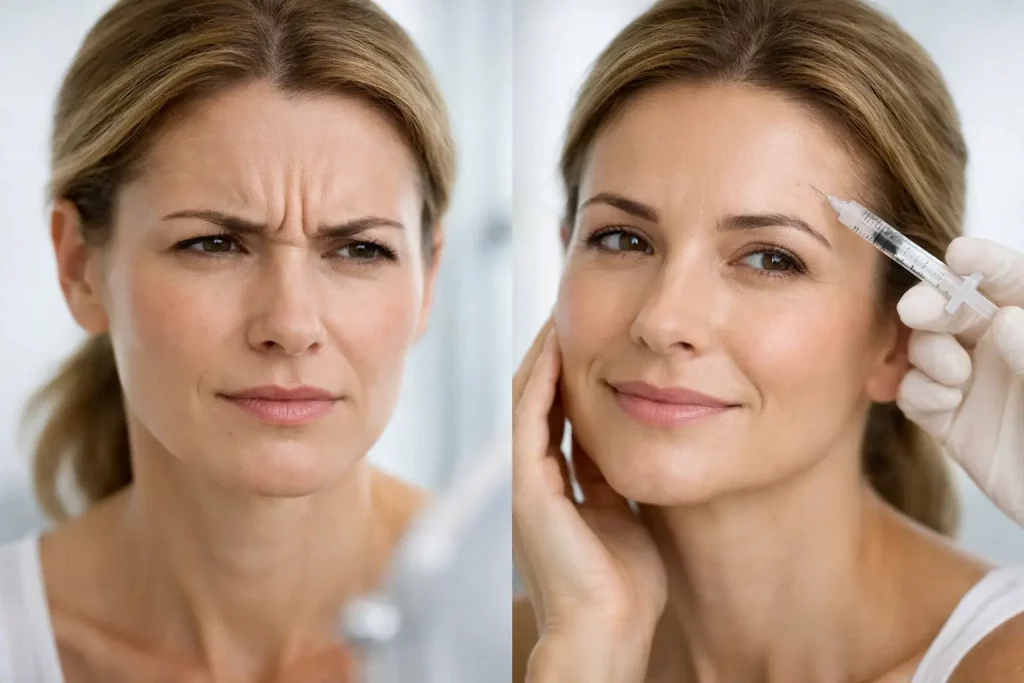
Can Botox Soften Frown Lines? What to Expect

Can Botox Soften Frown Lines? What to Expect

Those vertical lines between the eyebrows can make you look cross, worried or tired even when you feel perfectly relaxed. So, can Botox soften frown lines? For many people, yes. Anti-wrinkle injections can relax the small facial muscles that repeatedly pull the brows together, helping the area look smoother and more rested without changing who you are.

The best results are not about erasing every expression. They are about creating a fresher, softer look that still feels like you. A personalised consultation is the starting point, especially if your frown lines are deep, you have had treatment before, or you want a subtle first-time result.

Can Botox Soften Frown Lines at Any Age?

Botox is a brand name commonly used to describe botulinum toxin type A treatment. When prescribed and administered by an appropriately qualified medical professional, it temporarily reduces activity in selected muscles. In the frown area, these are usually the muscles responsible for drawing the eyebrows down and inwards.

Frown lines are often called the “11 lines” because they can appear as two vertical creases between the brows. Some people also develop a horizontal crease across the bridge of the nose or a more pronounced fold at the top of the nose. These lines form through years of facial movement, but genetics, sun exposure, smoking, stress and skin quality can all affect how early they show and how deeply they settle.

Treatment can be suitable for adults of different ages, but the likely outcome depends less on a number and more on the condition of your skin and lines. If your creases only show when you frown, they are known as dynamic lines and often respond very well. If they remain visible when your face is at rest, they are static lines. Botox may still soften them, but it may not remove them completely because the crease has become etched into the skin.

That distinction matters. A good practitioner will set realistic expectations rather than promise a completely blank forehead.

What Happens During Frown Line Treatment?

Your appointment should begin with a proper consultation. Your practitioner will ask about your medical history, current medicines, previous aesthetic treatments, allergies and what you would like to change. They should also assess how your brow and forehead move naturally. This is essential because every face has a different muscle pattern.

The injections themselves are quick. Small, carefully placed doses are delivered into the muscles around the glabella – the area between the eyebrows. Most clients describe the feeling as a brief pinprick. There is usually no need for downtime, so many people return to work, errands or plans afterwards.

For the rest of the day, follow the aftercare given by your practitioner. You may be advised to avoid rubbing the treated area, strenuous exercise, excessive heat, alcohol and lying flat for a short period. These instructions can vary, so your own aftercare advice should always take priority.

Tiny red marks, slight swelling or a small bruise can happen at injection points. These effects are normally temporary. If you are planning treatment ahead of a wedding, holiday or big night out, give yourself enough time rather than booking at the last minute.

When Will You See Results?

Anti-wrinkle treatment is not an instant fix. Most people begin to notice reduced movement within a few days, with the full effect usually developing over around two weeks. Your frown may feel less forceful first, then the area gradually appears smoother as the skin is no longer being repeatedly folded in the same way.

Results commonly last around three to four months, although this varies. Your metabolism, muscle strength, dose, treatment history and lifestyle all play a part. Some clients find that regular, appropriately spaced appointments help them maintain a softer look over time, while others prefer treatment only before major events or when movement starts returning.

It is tempting to think more product automatically means better results. It does not. An over-treated frown area can look heavy or unnatural, particularly if forehead movement and brow position have not been assessed properly. Precision is what creates a polished result.

What Botox Can and Cannot Do for Deep Lines

Botox works on the muscle action that causes frowning. It does not directly replace lost volume, resurface damaged skin or tighten loose skin. If you have deep lines at rest, your practitioner may discuss a combined plan that addresses both movement and skin quality.

Depending on your goals and suitability, this may mean giving Botox time to prevent the crease from worsening, alongside professional skin treatments and a consistent home routine. Daily SPF is one of the most worthwhile habits for protecting collagen and helping prevent lines from becoming more pronounced. Hydration, good sleep and avoiding smoking can support overall skin health too, although they cannot replace a clinical treatment.

Dermal filler is occasionally discussed for static lines, but the frown area is medically complex and carries significant risks if injected incorrectly. It is not a routine add-on and should only ever be considered following an in-depth assessment by a highly experienced, appropriately qualified practitioner. The safest treatment plan is not always the most dramatic one.

Choosing the Right Practitioner Matters

Botox is a prescription-only medicine in the UK. You should have a face-to-face medical assessment with a qualified prescriber before treatment is supplied, unless there is a lawful and clinically appropriate alternative arrangement led by the prescriber. Never buy injectable products online or accept treatment in an unregulated setting simply because the price is lower.

Ask who will prescribe the product, who will carry out the injections, what training and experience they have, and what happens if you need a review. You should feel able to ask questions without being rushed. A reputable practitioner will explain the benefits, limitations, possible side effects and aftercare clearly before you decide.

Botox is not right for everyone. Treatment may need to be postponed or avoided if you are pregnant or breastfeeding, have an infection at the injection site, have certain neurological conditions, or are taking particular medicines. This is why an honest medical consultation matters.

Possible side effects include headache, tenderness, bruising and temporary asymmetry. Less commonly, a drooping eyelid or brow can occur. Serious reactions are rare, but urgent medical advice is needed if you experience difficulty swallowing, speaking or breathing, severe weakness, or symptoms that concern you. Your practitioner should provide clear contact and follow-up information.

How to Keep Your Result Looking Natural

The most flattering frown-line results let people notice that you look well, not guess exactly what you have had done. Be clear about whether you want a completely smooth look or prefer some natural movement. Bring up any concerns about a heavy brow, asymmetry or previous disappointing treatment during your consultation.

Avoid booking repeated top-ups too soon. Your practitioner should assess the effect once it has had time to settle and recommend a safe treatment schedule based on your individual response. Chasing movement every few weeks is not the route to a better result.

At Glam Master in Manchester, a consultation can help you decide whether anti-wrinkle treatment fits your goals, your facial movement and your diary. It is a chance to discuss the look you want – from a light softening of the 11 lines to a more visibly smooth finish – before committing to treatment.

A softer frown can make a surprisingly big difference to how refreshed you feel when you catch your reflection. Give yourself the benefit of expert assessment, realistic expectations and enough time before an important occasion, then choose the treatment plan that feels right for your face.
Hairdressing Manchester for Your Next Hair Reset

Hairdressing Manchester for Your Next Hair Reset

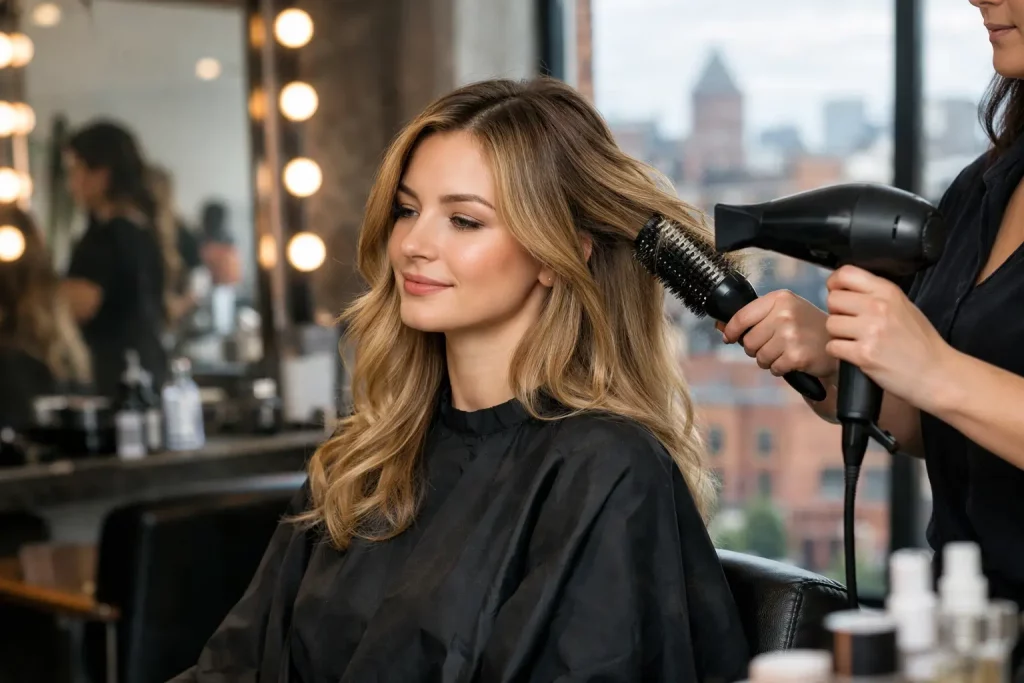
A great hair appointment should do more than remove split ends. It should give you that polished, confident feeling when you catch your reflection after work, before a night out, or on the way to a big event. With hairdressing Manchester clients have plenty of choice, but finding a salon that understands your hair, your routine and the look you actually want is what makes the difference.

Whether you are ready for a bold colour change, need a tidy-up that still feels fresh, or want fuller lengths without months of waiting, the right plan starts with a proper conversation. Your hair should suit your face, lifestyle and maintenance comfort level – not just the latest photo you saved on your phone.

Hairdressing Manchester: Choose a Look That Works for You

The most flattering cut or colour is not always the most dramatic one. A sharp blunt bob can make fine hair look fuller, while long layers may bring movement to thicker hair that tends to feel heavy. Face-framing sections can refresh your style without sacrificing length, and a carefully placed fringe can completely change the balance of your look.

A consultation is the moment to be honest about your everyday routine. Do you heat-style your hair every morning, wear it naturally most days, or want something that looks good with minimal effort? The answer matters. A high-maintenance blonde transformation may look incredible, but it will need regular toning, careful home care and salon appointments to stay bright. A warmer balayage or blended brunette can offer a softer grow-out if you prefer more time between visits.

Bring inspiration, but leave room for professional advice. Lighting, filters, natural base colour and hair history can all affect what is achievable in one sitting. An experienced stylist will help you choose a result that looks luxurious now and remains wearable after you leave the salon.

The Services Behind a Proper Hair Reset

Hair appointments are often treated as one-size-fits-all, yet different hair goals need different techniques. Choosing the right service protects the condition of your hair and gives you better value from every visit.

Precision cuts and styling

A cut is the foundation of every good style. Regular trims help remove worn ends before breakage travels further up the hair shaft, especially if your hair is coloured, heat-styled or worn in extensions. But a trim does not have to mean losing the length you have worked hard to grow. Clear communication about how much you are comfortable taking off is essential.

For a special occasion, professional styling brings shape and hold that lasts beyond the first hour. Soft waves, a sleek blow-dry, bouncy volume or a polished updo can be chosen around your outfit, neckline and plans for the day. If you are booking for a wedding, birthday or party, it is worth arranging a trial where appropriate, particularly for a more detailed style.

Colour with dimension, not guesswork

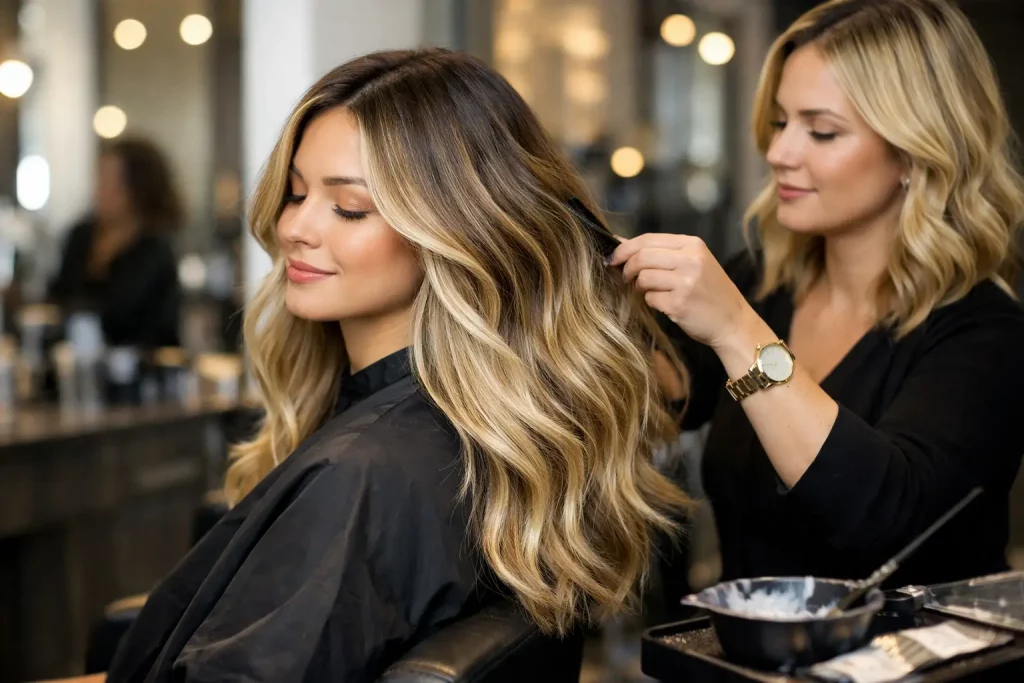
Colour can be as subtle or as statement-making as you want. Full-head colour is ideal for a rich, even finish, while highlights and lowlights add contrast and movement. Balayage creates a softer, lived-in blend, and face-framing brightness can lift your whole look without committing to a full blonde service.

The trade-off is maintenance. Root colours usually need refreshing more often than a blended technique, while lighter shades may require toner appointments to prevent unwanted brassiness. If your hair has been box-dyed, heavily lightened or recently treated with henna, say so during your consultation. Hair history is not a minor detail – it helps your stylist plan a safer, more realistic route to your desired shade.

A patch test may also be needed before certain colour services. It is a simple but vital step that helps make your appointment safer and avoids last-minute disappointment.

Extensions for instant length and volume

Hair extensions can create the full, glamorous finish that natural hair alone may not deliver, particularly if you want extra density around the ends or more length for an event. The best result is not simply about adding the longest possible hair. It is about matching the colour, texture and placement so the finish moves naturally and blends beautifully.

Extensions need commitment at home. You will need to brush gently, use suitable products, avoid pulling at the bonds or attachment points, and return for maintenance or removal at the recommended time. They can be a fantastic option when fitted and cared for correctly, but they are not the right choice for everyone. If your hair is very fragile or your scalp is irritated, your stylist may recommend a treatment plan first.

Keratin smoothing for easier styling

If frizz, humidity and lengthy blow-drying are making your routine feel like hard work, a keratin smoothing treatment can be a game-changer. It is designed to leave hair feeling smoother, more manageable and easier to style, while helping create a glossy finish.

It is not the same as permanently straightening your hair, and results depend on your starting texture and aftercare. Some clients want their natural wave to remain, just with less puffiness and more shine. Others want a sleeker finish that cuts down styling time. Your stylist can explain what to expect, how long the result may last and which products will support it at home.

How to Prepare for Your Appointment

A little preparation makes a big difference to the result. Arrive with clean, dry hair if requested by your salon, and avoid coating it in heavy oils or styling products before a colour consultation. Take a few reference images, including examples of what you do not like. Saying you want blonde can mean anything from soft honey tones to icy platinum, so visuals help make the conversation much clearer.

Be upfront about previous colours, bleaching, extensions and chemical treatments. This is especially important if you want a significant correction or lighter shade. A colour transformation sometimes needs more than one visit to protect the health of your hair. That can feel less exciting than an instant change, but healthy, glossy hair will always look more expensive than over-processed hair.

You should also ask about maintenance before committing. Find out when to return, whether you need toner or treatment appointments, and what you should use at home. A beautiful salon finish lasts longer when your home routine supports it.

Make Your Beauty Appointment Work Harder

When life is busy, convenience matters. Booking hair alongside other beauty maintenance can turn a standard appointment into a proper self-care reset. You might pair a fresh colour with lashes for a holiday, nails for a celebration, or brows and makeup before a special event. At Glam Master, the all-in-one salon and spa approach means you can organise more of your beauty routine in one place, with time to relax rather than race across town between appointments.

The key is to plan ahead for events. Colour appointments, extension fittings and keratin treatments should not be left until the night before a wedding or major celebration. Give yourself time for a consultation, patch test where needed and any adjustments, then enjoy your final look without pressure.

When Is It Time to Book?

There is no need to wait for a hair emergency. If your ends feel rough, your colour has lost its shine, your style no longer feels like you, or getting ready has become a daily battle, it is probably time for a professional refresh. Even a small change – a gloss, a few face-framing highlights or a reshaped cut – can make your hair feel completely new.

Book a consultation if you are considering a bigger transformation, especially extensions, a major colour change or smoothing treatment. You will leave with a clearer plan, realistic expectations and a look designed around you. Your next great hair day can start with one appointment – book now and give your hair the attention it deserves.

Manchester Balayage Specialist for Dream Hair

Manchester Balayage Specialist for Dream Hair

A beautiful balayage should never look like a block of colour placed over your natural hair. The work of a Manchester balayage specialist is to create brightness exactly where it flatters you most, with soft blends, lived-in dimension and a finish that still looks gorgeous weeks after your appointment.

At Glam Master, balayage is tailored around your hair, your skin tone, your maintenance routine and the result you want to see in the mirror. Whether you want a subtle sun-kissed lift, a creamy blonde transformation or rich caramel ribbons through brunette hair, your colour appointment starts with a clear plan.

What makes balayage different?

Balayage is a freehand highlighting technique. Rather than creating a uniform pattern from root to tip, colour is painted through selected sections to give the hair movement, depth and natural-looking lightness. The result can be as understated or as high-impact as you like.

One of the biggest reasons clients love balayage is the grow-out. Because the colour is usually blended away from the root, there is no harsh regrowth line demanding a full colour appointment every few weeks. That does not mean balayage is no-maintenance – blonde tones in particular still need care – but it can be a more flexible choice for clients who want polished hair without constant root coverage.

Balayage also works beautifully alongside a fresh cut, bouncy blow-dry, styling session or extensions appointment. The right placement can make hair look fuller, bring texture to a sleek style and give curls or waves a far more dimensional finish.

Your Manchester balayage specialist consultation

The best balayage starts before any colour is mixed. A proper consultation gives your stylist the chance to understand what you love, what you do not want and what your hair can realistically achieve in one sitting.

Bring inspiration images if you have them, but remember that the same photo can look completely different depending on your starting shade, previous colour, hair density and length. Your specialist will assess the condition of your hair, look at existing tones and talk through whether you are aiming for warmth, neutral beige, cool ash, bright blonde or something in between.

This is also the time to be honest about your colour history. Box dye, dark permanent colour, henna, bleach, previous highlights and colour-correcting treatments all affect the process. There is no benefit in promising an instant icy blonde result if your hair needs a gradual approach to stay in good condition. A gorgeous, healthy-looking blonde achieved over more than one appointment will always look more expensive than hair pushed too far in a single day.

A consultation should cover the service, expected timing, aftercare and maintenance. If a skin test is required, arrange it in good time before your appointment. It is a small but essential step for safe professional colouring.

Choosing the right level of brightness

Not every balayage needs to be blonde. For dark hair, fine caramel, toffee or mocha pieces can add glamorous warmth without taking you far from your natural base. Brunettes who want a softer result often love a bronde balayage – the ideal middle ground between brown and blonde.

If you are blonde already, your appointment may focus on refining unwanted yellow tones, adding brighter money pieces around the face or creating a more blended root. A high-contrast balayage makes a statement, while a delicate babylight effect keeps the finish light and naturally luxurious. The right choice depends on how often you want to return, how your hair responds to lightening and how bold you want your transformation to feel.

Balayage placement is personal

A skilled colourist does not apply the same balayage map to every client. Face-framing pieces can brighten your complexion and define your features, while lighter ends can create the illusion of longer, thicker hair. On layered hair, carefully placed colour brings out the shape of your cut. On one-length hair, a softer blend can stop the result looking stripy or flat.

Your lifestyle matters too. If you wear your hair up for work, the placement should still look intentional through the crown and underneath. If you style your hair in loose waves for nights out, ribbons of brightness can be painted to catch the light in the right places. If you rarely use heat tools, a subtler blend may give you a more naturally beautiful everyday result.

This is why a balayage service should not be chosen on price alone. The technique, timing, product choice and attention to detail all influence how the colour develops and grows out. A bespoke service is an investment in a result that feels made for you, not copied from a chart.

Looking after balayage at home

Freshly coloured hair deserves the right routine. Lightened sections can feel drier than your natural hair, especially if you regularly curl, straighten or blow-dry. Use colour-safe shampoo and conditioner, add a hydrating treatment when your hair needs it, and always apply heat protection before styling.

For cooler blondes, a purple shampoo can help reduce brassiness, but it should be used carefully. Overusing it may leave very light or porous hair looking dull, violet or uneven. Your stylist can advise how often it suits your shade. Warm honey and caramel balayage clients may not need toning shampoo at all, as a little warmth is part of the look.

Swimming, sunshine, hard water and frequent hot styling can all shift colour over time. You do not need to avoid your normal life, but rinsing hair after swimming, using a heat protectant and booking a gloss or toner when needed can keep your balayage looking fresh. A professional toner is particularly useful when your lightness is still there but the shade needs bringing back to the beautiful tone you left the salon with.

How often will you need a refresh?

There is no fixed rule. Some clients return for a full balayage refresh after three to six months, while others prefer more regular appointments to maintain bright blonde ends and a strong face frame. Between bigger colour services, a toner, trim and blow-dry can make a huge difference.

Your natural root shade, how light you go and the contrast you choose all affect the timetable. A soft brunette balayage can be wonderfully low-maintenance. A very pale blonde balayage may need more frequent toning and care to keep it refined. During your appointment, ask for a realistic maintenance plan that works with your budget, diary and hair goals.

Is balayage right for your hair?

Balayage suits many hair types, lengths and starting shades, but the technique is not a magic shortcut. Very short hair may need a different highlighting approach to achieve visible dimension. Hair that is severely damaged may need strengthening treatments and a gentler colour plan before significant lightening. If you have very dark colour build-up, your appointment may be about lifting gradually rather than reaching your final shade immediately.

That flexibility is a strength, not a compromise. Your colour can be designed to protect the condition of your hair while moving you towards the look you want. From a subtle first step into lighter hair to a full glamorous transformation before a holiday, wedding or big event, the goal is always beautifully blended colour that still feels like you.

Book a colour consultation and let your balayage be planned with the same care as your whole look. The right blend, the right tone and the right aftercare can turn an ordinary hair appointment into the confidence boost you notice every day.

How to Maintain Lash Extensions Between Fills

How to Maintain Lash Extensions Between Fills

Fresh lash extensions have a way of changing your whole face before you have even reached for concealer. The key to keeping that soft, full, fluttery finish is knowing how to maintain lash extensions from the moment you leave the salon. A few small habits protect the bond, keep your lash line clean and help your infills look better for longer.

Lash extensions are attached to your natural lashes, which shed and renew in their own cycle. That means some loss is completely normal. The goal is not to make every extension last forever – it is to avoid premature shedding, twisting and build-up so your lashes stay polished between appointments.

The first 24 to 48 hours matter most

Your lash artist uses a professional adhesive that needs time to settle fully. For the first day, avoid getting your lashes wet where possible and skip steam rooms, saunas, hot yoga and long, steamy showers. Heat and moisture can interfere with the adhesive while it is curing.

Try not to touch, brush excessively or sleep face-down on your lashes during this early stage. If you have an event planned, book your full set a day or two beforehand rather than squeezing it in on the morning. You will have time for the adhesive to settle and for your lashes to look perfectly placed.

After this initial period, regular cleansing is essential. Leaving lashes unwashed because you are worried they will fall out usually creates the very build-up that affects retention.

Cleanse your lash extensions every day

Make-up, skincare, natural oils and city pollution collect around the lash line. Without proper cleansing, this can leave lashes looking dull, cause extensions to stick together and irritate the delicate skin around your eyes. A clean lash line also gives your natural lashes the best environment to grow normally.

Use a lash-safe, oil-free foaming cleanser and a soft cleansing brush. With closed eyes, work the foam gently along the lash line and across the extensions. Rinse with cool or lukewarm water, then pat dry carefully with a clean, lint-free towel. Do not rub your eyes or pull at individual lashes.

This is particularly important if you wear foundation, eye make-up or SPF close to the eye area. Even when you have had a low-key day, cleanse your lashes at night. Think of it as the same non-negotiable step as removing your make-up and cleansing your skin.

Keep oils away from the lash line

Oil-based products can weaken the adhesive and encourage extensions to shed early. Check the ingredients in your eye cream, cleansing balm, make-up remover and waterproof make-up. You do not need to abandon your favourite skincare routine, but apply richer products around the orbital bone rather than directly at the roots of your lashes.

If you use a facial oil at night, press it into your skin with care and wash your hands before touching your lashes. The smallest amount transferred from fingertips can contribute to residue over time.

Brush gently for a neat, fluffy finish

Once your lashes are clean and dry, brush them with a clean spoolie. Start from the middle of the extensions and lightly guide them upwards. Avoid digging the brush into the base of the lash line, where you could disturb the adhesive bonds.

A quick brush in the morning is usually enough, with another gentle pass after cleansing if needed. This helps separate lashes that may have shifted while you slept and keeps the set looking airy rather than clumped. If one extension turns or crosses over repeatedly, resist the urge to pull it straight. A lash technician can assess it safely at your next appointment.

Rethink your eye make-up routine

One of the best parts of lash extensions is waking up looking more put together, so you may find you need much less eye make-up anyway. Mascara is generally unnecessary and can be difficult to remove without tugging at your extensions. Waterproof mascara is an especially poor match because it often requires oil-based remover and vigorous cleansing.

If you want extra definition for a night out, choose a light, lash-extension-safe product and keep it away from the roots. Powder eyeshadow is often easier to manage than creamy formulas, which can migrate onto the lashes. For eyeliner, avoid heavy layers along the upper waterline or thick gel products that leave residue at the base of the extensions.

When removing make-up, use a lint-free applicator and an oil-free remover around the eye area. Be patient. Rubbing is one of the quickest ways to damage both your extensions and natural lashes.

Sleep smarter and touch less

Side sleeping and face-down sleeping can flatten one side of a lash set, especially if you press your face into the pillow. It is not always realistic to change your sleeping position overnight, but a silk or satin pillowcase can reduce friction and help lashes glide rather than catch.

Hands off is another retention rule worth following. Rubbing tired eyes, picking at a loose extension or pulling on lashes when taking off a jumper can remove natural lashes before they are ready to shed. If your eyes feel itchy, cleanse the area first and consider whether a product has transferred to the lash line. Persistent irritation, redness or swelling should be checked by a qualified professional rather than covered with more make-up.

Be careful around heat, water and treatments

After the first 48 hours, you can shower, swim and enjoy your usual routine. Just avoid directing powerful water straight at your eyes and gently cleanse your lashes after swimming, particularly after chlorine or salt water exposure. Pat dry and brush once they are fully dry.

Frequent sauna or steam-room visits may reduce retention for some clients because heat and humidity can affect the adhesive over time. It does not mean you have to give up your spa day, but you may need slightly more regular infills if high heat is part of your weekly routine.

If you are booking a facial, massage or other beauty treatment, let your therapist know you have lash extensions. Products, steam and face-down positioning can all need small adjustments. At Glam Master, a full beauty appointment can be planned around your lashes so you leave looking glamorous, not with your extensions compromised.

Book infills before the gaps show

Natural lashes shed every day, taking their attached extensions with them. For most clients, an infill every two to three weeks keeps the set looking full and balanced. The ideal timing depends on your natural lash cycle, the style you chose and how closely you follow aftercare.

A lighter classic set may look sparse sooner than a volume set, while a client with naturally oily skin or an active gym-and-swim routine may need infills more frequently. Waiting four weeks or longer can mean there are too few extensions left for an infill, so you may need to book a new full set instead.

Arrive at your infill with clean lashes and no eye make-up. Your technician can then spend the appointment refreshing your look rather than removing residue. Tell them if you have noticed unusual shedding, irritation or a change in how your lashes sit. Small adjustments to length, curl, styling or aftercare can make a real difference.

Know what normal shedding looks like

It is normal to lose a few extensions, especially as your natural lashes move through their growth cycle. You may occasionally see an extension attached to a natural lash – that is simply a lash completing its natural shedding phase.

What is not normal is sudden heavy loss, pain, persistent stinging, swollen eyelids or lashes stuck together at the base. Do not attempt to remove the set yourself with tweezers, oil or at-home lash glue. Book a professional removal or consultation instead. Protecting your natural lashes is always more valuable than trying to stretch an old set for another few days.

Beautiful retention is built in the everyday details: clean lashes, gentle hands, oil-aware skincare and infills booked at the right time. Give your extensions that care and they will keep delivering the polished, effortless finish that makes getting ready feel that little bit more glamorous.

Hair Extensions Maintenance Routine That Works

Hair Extensions Maintenance Routine That Works

Fresh extensions should look glossy, soft and completely believable – not dry at the ends, tangled at the nape or obvious around the bonds. A consistent hair extensions maintenance routine is what keeps your investment looking expensive long after your fitting appointment. The right habits take minutes, but they make a real difference to shine, comfort and how long your extensions can stay looking beautiful.

Whether you wear tape-ins, nano rings, micro rings, keratin bonds or a weave, your natural hair and your extensions need a little more care than your usual wash-and-go routine. The details depend on your fitting method, hair type and how often you style, so always follow your extension specialist’s specific advice first.

Start with the right daily hair extensions maintenance routine

Brush your hair at least twice a day: once in the morning and once before bed. Hold the hair near the roots with one hand, then work gently from the ends upwards using an extension-friendly brush. This stops you pulling on the attachment points while you remove small knots before they become a bigger problem.

Pay extra attention to the area at the nape of your neck, behind your ears and where your natural hair meets the extensions. These are the places most likely to tangle from movement, scarves, coats and sleeping. Never yank through a knot. Separate it with your fingers first, then brush it out patiently from the bottom.

Keep styling products away from bonds, tapes and rings. Lightweight leave-in conditioning spray or a small amount of serum through the mid-lengths and ends can give a smooth, polished finish, but oils and heavy products close to the roots may cause attachments to slip or collect residue. Less is usually more.

Wash extensions without causing dryness or slipping

Extensions do not receive natural oils from your scalp in the same way as your own hair, particularly through the lower lengths. That is why over-washing can leave them feeling dull or rough. For many clients, washing two to three times a week is plenty, although gym sessions, scalp type and product build-up can change what works for you.

Before washing, brush thoroughly while the hair is dry. Wet hair is more fragile, and starting with tangles makes everything harder. In the shower, keep your head upright rather than flipping your hair forwards over the bath. Let the water run down the hair and use your fingertips to cleanse the scalp gently, without scrubbing attachments or piling hair on top of your head.

Choose salon-recommended, sulphate-free products where possible. Apply shampoo mainly to your scalp and allow the lather to travel through the lengths as you rinse. Follow with conditioner from the mid-lengths to the ends, avoiding bonds and tapes. A weekly nourishing mask can revive dry lengths, but it should also stay well clear of the attachment area.

Rinse longer than you think you need to. Leftover shampoo, conditioner or dry shampoo can create build-up at the roots, making extensions feel less fresh and sometimes affecting their hold.

Dry carefully after every wash

Do not go to bed with wet extensions. It is one of the quickest routes to matting, particularly at the nape. Gently squeeze out excess water with a soft towel rather than rubbing, then apply heat protection through the lengths.

Dry the roots and attachment points first using a low to medium heat setting. Once the roots are fully dry, work through the lengths with a brush and dryer until everything is dry. You can let the ends air-dry occasionally if they are in good condition, but bonds, rings and tapes should never be left damp.

Style for shine, not stress

Human-hair extensions can be curled, straightened and blow-dried, but they will look their best for longer when heat is used thoughtfully. Always apply heat protection and keep tools on the lowest effective temperature. Fine or lightened extensions need particular care, as repeated high heat can make them brittle much faster than natural virgin hair.

When using straighteners or curling tongs, stay away from the attachment points and avoid clamping directly over bonds or tapes. For a glamorous finish with less heat exposure, try a smooth blow-dry, heatless curls or loose overnight plaits. Small changes to your styling routine can protect the softness that makes extensions look so natural.

If your own hair is prone to frizz, do not try to fix it by applying heavy oils at the roots. A professional smoothing treatment or a tailored styling plan may be a better option, depending on your extension type. Ask your stylist before booking any chemical or keratin service, as timing and product choice matter.

Protect your extensions while you sleep and exercise

A loose, low plait or ponytail before bed keeps the hair contained and reduces friction against your pillow. A silk or satin pillowcase is also a lovely upgrade for reducing roughness and helping your style last. Do not tie hair tightly at the roots, especially with a fresh fitting, as tension can cause discomfort and put unnecessary strain on your natural hair.

For workouts, secure your hair in a loose plait or low ponytail. After a sweaty session, allow the roots to dry properly rather than keeping damp hair tied up under a cap or in a bun. You may not need a full wash every time, but scalp hygiene still matters, particularly if you use dry shampoo regularly.

Swimming needs a little planning. Chlorine, salt water and sunscreen can dry extensions and alter their tone, especially blonde shades. Tie hair up, avoid soaking it where possible and rinse it with clean water immediately afterwards. Follow with a gentle wash and conditioner if the hair has been fully submerged.

Know when to book maintenance

Extensions should feel secure and comfortable. If you notice slipping tapes, loose rings, exposed bonds, persistent tangling near the roots or any soreness, do not try to fix them at home. Pulling, cutting or gluing attachments yourself can damage your natural hair and make a professional refit more difficult.

Maintenance timing depends on the method and your natural growth rate. Tape and ring methods usually need regular move-up appointments as your natural hair grows, while bonded extensions are commonly removed and replaced within the timeframe recommended by your stylist. Leaving them in too long can lead to visible attachments, matting and tension at the root.

A maintenance appointment is also the ideal time to check your colour blend, trim tired ends and refresh the shape of your style. Extensions should move with your life, not become another beauty job you are constantly trying to hide.

Small habits that protect your natural hair

Beautiful extensions should never come at the expense of your own hair. Avoid wearing the same tight up-do every day, brush gently at the roots and give your scalp a proper cleanse rather than relying only on dry shampoo. If you experience ongoing pulling, headaches, itching or breakage, contact your extension specialist promptly.

Be honest at consultations about previous colouring, thinning, scalp sensitivity and how much time you realistically have for upkeep. The most suitable method is not always the one that looks best in a single photograph. It is the one that suits your hair density, lifestyle and willingness to maintain it correctly.

For clients who want polished hair alongside lashes, nails, facials or event-ready beauty, Glam Master offers the convenience of keeping your beauty appointments in one Manchester destination. A professional consultation can help you choose an extension plan that looks flawless and feels comfortable.

Treat your extensions like the luxury hair they are: brush with patience, wash with care and book maintenance before small issues become costly ones. Your best hair days are usually built on the routine you follow between salon visits.

Soprano Ice vs Titanium: Which Laser Is Right?

Soprano Ice vs Titanium: Which Laser Is Right?

Choosing laser hair removal is exciting – until you are faced with device names that sound almost identical. The Soprano Ice vs Titanium question usually comes down to three things: your skin and hair type, the areas you want treated, and whether speed or a gentler treatment experience matters most to you. Both are advanced diode laser options designed to reduce unwanted hair comfortably, but they are not simply the same treatment with different packaging.

At Glam Master, we believe your laser plan should feel as personalised as your beauty routine. A proper consultation looks beyond the machine name and focuses on the result you want: smoother skin, fewer ingrown hairs, less time shaving and the confidence to feel ready for every outfit, holiday and special occasion.

Soprano Ice vs Titanium: the key difference

Soprano ICE is a well-known diode laser platform, often associated with gradual heating technology and an in-motion treatment method. Instead of repeatedly delivering high-energy pulses to individual spots, the practitioner moves the handpiece over the skin while building heat in the hair follicle. This can make treatment feel warmer and more manageable than older laser methods.

Soprano Titanium is a newer platform in the Soprano family. Its standout feature is typically the combination of three wavelengths in one applicator: Alexandrite at 755 nm, diode at 810 nm and Nd:YAG at 1064 nm. These wavelengths target hair at different depths and can offer greater versatility across body areas, hair types and skin tones when used by a trained professional.

The important detail is that “Titanium” is sometimes used loosely by clinics to describe different machines. A genuine Soprano Titanium has specific technology and treatment protocols. Always ask which device is being used, who will perform your treatment and how your settings will be selected.

How each treatment feels

Comfort is one of the biggest reasons clients compare these systems. Soprano ICE is named for its cooling technology, which helps protect the skin’s surface while heat reaches the follicle below. The in-motion approach can feel like a warm massage, with some areas giving more of a sharp heat sensation than others. Bikini, underarm and upper-lip treatments are naturally more sensitive because the hair tends to be thicker and the skin more delicate.

Soprano Titanium also includes cooling, but the treatment sensation will depend on the selected wavelength, energy level, area being treated and your individual sensitivity. Because Titanium can use multiple wavelengths together, it may be a strong option for clients who want powerful treatment without compromising on comfort.

Neither treatment should be described as completely pain-free for every person. Most clients find the sensation very tolerable, especially compared with waxing, but expectations should be realistic. Your therapist can adjust settings appropriately and talk you through what to expect before treatment begins.

Speed: where Titanium can stand out

For larger areas, Titanium can be especially appealing. The applicator is designed to cover more skin efficiently, which can reduce appointment time for areas such as full legs, back, chest or a full-body course. If your diary is already packed with work, gym sessions, social plans and beauty appointments, faster laser sessions can make a real difference.

Soprano ICE is still an efficient choice and remains popular for targeted areas such as underarms, Hollywood or Brazilian, lower legs and facial hair. The better option is not always the fastest machine. If you are treating one or two smaller areas, the time difference may be minimal. For a larger package, however, Titanium’s coverage can be a genuine advantage.

Skin tone and hair type matter more than a trend

Laser hair removal works by directing light energy towards pigment in the hair. That is why darker, coarser hair often responds very well. Fine, pale, grey, red and blonde hairs can be more difficult to treat, whichever machine is used. Honest advice matters here: no responsible clinic should promise permanent removal of every hair type after a fixed number of sessions.

Titanium’s three-wavelength technology may offer more flexibility for a broader range of skin tones, particularly when the Nd:YAG wavelength is suitable for the treatment plan. Soprano ICE can also be used on a variety of skin types when the correct settings and protocol are chosen. The safest and most effective route is always a skin assessment and patch test rather than booking based on an online comparison alone.

Your natural skin tone is only part of the picture. Recent sun exposure, fake tan, active skincare, certain medications, hormonal changes and your history of pigmentation can all affect when and how treatment should go ahead. Tell your practitioner everything relevant, even if it feels minor. It helps protect your skin and supports better results.

Results: will Titanium remove hair faster?

It is tempting to assume a newer machine automatically produces dramatically faster results. In reality, hair reduction depends on the hair growth cycle. Laser is most effective when hairs are in the active growth stage, but not every follicle is in that stage at the same time. That is why you need a course of appointments spaced over several weeks.

Both Soprano ICE and Soprano Titanium can deliver excellent long-term hair reduction when treatments are consistent and professionally planned. You may notice slower regrowth and patchier hair after the first few sessions, but the full outcome develops over the course. Maintenance sessions can also be needed, particularly in hormonally influenced areas such as the face, chin, stomach and bikini line.

Titanium may be a practical choice if its multi-wavelength approach better suits your hair and skin profile, or if you are treating several areas and want shorter appointments. Soprano ICE may be ideal if your practitioner recommends its protocol for your needs and you value its established in-motion experience. Results are driven by the right machine, the right settings and the right schedule – not the device name alone.

Which areas can be treated?

Both platforms can be used across popular laser hair removal areas, including the face, underarms, arms, legs, bikini line, Hollywood, Brazilian, stomach, back and chest. The best settings can vary even on the same person. Your underarm hair may be dark and coarse, while facial hair could be finer and influenced by hormones. A tailored plan accounts for that difference rather than treating every area identically.

Avoid waxing, threading or epilating between sessions because the laser needs the hair root present to target it. Shaving is usually recommended before your appointment, subject to your clinic’s instructions. You should also avoid sunbeds, tanning and fake tan before treatment, and follow all aftercare guidance carefully.

Is Soprano ICE or Titanium better value?

The better-value option is the one that is appropriate for you and delivered safely. A lower session price is not a bargain if the device is unsuitable, appointments are rushed or the provider does not offer a proper consultation. Equally, the most premium-sounding technology is not automatically necessary for a small treatment area with straightforward hair growth.

When comparing packages, ask whether your price includes consultation, patch testing, aftercare advice and a clear treatment schedule. Consider how many areas you want to treat, whether a course package suits your budget and whether maintenance may be needed later. Visible pricing and clear expectations make it easier to invest in a plan you can commit to.

Your best choice starts with a consultation

If you have darker skin, a mixture of coarse and fine hair, or want to treat several large areas efficiently, Soprano Titanium may be an excellent fit. If you are looking for proven, comfortable diode laser treatment for specific areas, Soprano ICE may be exactly what you need. There is no one-size-fits-all winner because your skin deserves more than a generic answer.

Book a free laser consultation at Glam Master in Manchester and let our team assess your skin, hair and goals before recommending the treatment plan that will leave you feeling smooth, confident and ready to show your skin off.

Best Anti Ageing Treatments for Visible Results

Best Anti Ageing Treatments for Visible Results

Fine lines around the eyes, make-up settling into creases, dullness that does not shift after a good night’s sleep – these are the moments that send many clients searching for the best anti-ageing treatments. The right choice is not about changing your face or chasing a filtered look. It is about treating the concern you can see, protecting the skin you have and choosing a result that still looks like you.

At Glam Master, the best treatment plan starts with a proper consultation. Skin age, texture, pigmentation, volume loss, muscle movement and lifestyle all affect what will make the biggest visible difference. A treatment that works beautifully for one person may be unnecessary, too subtle or simply unsuitable for another.

What Makes the Best Anti-Ageing Treatments Work?

Ageing is not one single skin concern. Over time, collagen and elastin production slow down, leaving skin less firm and bouncy. Natural facial volume can reduce, especially through the cheeks and around the mouth. Repeated facial expressions create movement lines, while sun exposure, stress, smoking, dehydration and hormonal changes can make uneven tone and texture more noticeable.

That is why a one-treatment approach rarely gives the most polished result. Anti-wrinkle injections can soften expression lines, but they will not replace lost volume or clear pigmentation. A facial can leave skin fresh and glowing, but it cannot create the same change in a deep frown line. The best approach matches the treatment to the issue, then builds in good skin maintenance so results continue to look refined.

Anti-Wrinkle Injections for Expression Lines

Anti-wrinkle injections are one of the most requested options for clients concerned about forehead lines, frown lines and crow’s feet. They work by relaxing selected muscles that repeatedly crease the skin. This gives the area a smoother, more rested appearance while preserving natural expression when the treatment is carefully planned.

Results generally develop over several days, with the full effect typically visible around two weeks after treatment. The result is temporary, so maintenance appointments are usually needed to keep lines softened. For many clients, this is a benefit: adjustments can be made over time as their preferences change.

The key trade-off is that more is not always better. An over-treated look can feel unnatural, particularly around the forehead and brows. A skilled practitioner will assess how your face moves, discuss the level of softening you want and create a result that complements your features rather than freezes them.

Dermal Fillers for Volume and Facial Balance

Lines around the nose and mouth are not always caused by skin creasing alone. They can become more noticeable as the cheeks, temples or lips lose volume. Dermal fillers use a gel-based substance to restore volume, improve facial balance and soften the appearance of some static lines.

Depending on your goals, fillers may be used to define the lips, support the cheeks, improve chin profile or refresh areas that appear hollow or tired. When performed with a light touch, the aim is fresh, balanced and beautifully maintained – not obviously ‘done’.

Fillers are not the right answer for every line. Putting filler directly into a fine surface wrinkle may not give the smooth finish you expect, and too much product can create puffiness. Your consultation should cover facial proportions, the quality of your skin and whether a different treatment would deliver a better result. As with any injectable aesthetic treatment, it is essential to disclose your medical history and follow aftercare advice carefully.

Skin Boosters for Hydration and Glow

If your skin looks dehydrated, crepey or lacklustre, skin boosters can be an excellent choice. Unlike filler, which is designed to add shape or volume in specific areas, skin boosters focus on improving hydration and skin quality. They are often chosen for the face, neck, décolletage and hands – areas where skin can start to look thinner or less luminous.

A course of treatments may be recommended initially, followed by maintenance sessions depending on your skin and the product used. The improvement is usually subtle but noticeable: smoother-looking texture, a fresher glow and skin that appears better hydrated. This makes skin boosters particularly appealing for clients who want a natural-looking refresh without altering facial shape.

They work especially well alongside a consistent home routine. No injectable treatment can compensate for daily sun exposure without protection, harsh skincare or ongoing dehydration.

Chemical Peels for Dullness, Texture and Uneven Tone

A professional chemical peel can be a powerful option when the main concern is dull skin, congestion, uneven tone, mild pigmentation or rough texture. Peels use carefully selected acids to encourage skin renewal, helping reveal a smoother and brighter-looking surface.

The right peel depends on your skin type, sensitivity, current routine and desired downtime. Gentle peels may give a light glow with minimal visible peeling, making them a practical choice before an event. Stronger or more targeted peels can offer more significant improvement but may involve redness, flaking and a period of careful aftercare.

This is not a treatment to choose solely because it is trending online. Using the wrong strength, or combining a peel with strong active skincare too soon, can irritate the skin barrier and make concerns look worse. A professional skin assessment helps keep the treatment effective and appropriate.

Facials That Support Long-Term Skin Quality

A facial is not a replacement for advanced aesthetics, but it plays a valuable role in a complete anti-ageing plan. Professional facials can deeply cleanse, exfoliate, hydrate and soothe the skin, while giving you a chance to assess changes in texture, sensitivity or congestion before they become more difficult to manage.

For clients with busy schedules, regular facials are also a practical reset. They support smoother make-up application, give the complexion an immediate healthy-looking finish and create a moment of genuine relaxation. Before a wedding, birthday, holiday or special event, a facial can be ideal when you want glow without the commitment of an injectable procedure.

Consistency matters more than a single dramatic appointment. Monthly or seasonal treatments, tailored to what your skin needs at that point, can help keep your complexion looking cared for throughout the year.

The Essentials That Protect Your Results

Even the most advanced treatments need good habits behind them. Daily broad-spectrum SPF is the non-negotiable step for protecting against premature ageing, pigmentation and uneven tone. If you are investing in your skin, protecting it from UV exposure should be part of every morning routine, not something saved for sunny holidays.

A gentle cleanser, moisturiser suited to your skin type and carefully introduced active ingredients can also make a real difference. Retinoids, vitamin C and exfoliating acids may be helpful for some people, but they are not universal. Sensitive skin, active acne, pregnancy, breastfeeding and certain medical conditions all affect what is suitable. Do not layer several strong products at once in the hope of faster results.

Sleep, hydration, nutrition and stress management also show on the face. They will not erase every line, but they influence inflammation, puffiness, skin recovery and overall radiance. Think of professional treatments as the polished finish to a routine, rather than the only step.

Choosing the Right Treatment Plan

The best anti-ageing treatment plan is personal, realistic and staged sensibly. If movement lines are your main concern, anti-wrinkle injections may be the clearest starting point. If you feel your face has lost softness or balance, a considered filler consultation could be more suitable. If you want healthier-looking skin without changing facial contours, skin boosters, peels and tailored facials may deliver exactly the refresh you want.

Be open about your budget, your tolerance for downtime and how natural or noticeable you want the result to be. A good practitioner should explain what a treatment can achieve, what it cannot achieve, possible side effects and when to review your results. You should never feel rushed into a procedure.

Your face deserves more than a one-size-fits-all answer. Book a consultation in Manchester to discuss your skin goals, ask the questions that matter and create a treatment plan that leaves you looking rested, confident and beautifully yourself.

How to Prepare for Laser Treatment Safely

How to Prepare for Laser Treatment Safely

A smooth laser hair removal result starts before your appointment. Knowing how to prepare for laser treatment helps your therapist assess your skin properly, target the hair effectively and keep your session as comfortable as possible. It is the difference between arriving ready for your glow-up and realising your fresh tan, wax appointment or body lotion means you need to reschedule.

At Glam Master, your treatment plan begins with your individual skin, hair growth and goals. Laser is never one-size-fits-all, so always follow the guidance given at your consultation if it differs from general advice online.

Start with a consultation and patch test

Your consultation is where great results begin. Your therapist will ask about your skin tone, natural hair colour, medical history, medication, previous hair-removal methods and the areas you would like to treat. Be open about all of it, even if it seems unrelated. Some medicines, skin conditions and recent treatments can affect whether laser is suitable for you or whether your appointment needs to be delayed.

A patch test is usually carried out before a first treatment. This lets your therapist check how your skin responds and select safe, appropriate settings. Do not book laser hair removal the day before a big event if you have never had it before. Give yourself enough time for the patch test and any mild, temporary redness to settle.

Tell your therapist if you are pregnant or breastfeeding, have a history of cold sores for treatment around the face, are using prescribed skincare, have had recent surgery, or have a new tattoo, scar or skin irritation in the treatment area. Never stop prescribed medication simply to have laser treatment. Your therapist can advise on the safest next step.

How to prepare for laser treatment in the weeks before

Laser works by targeting pigment in the hair follicle. For the best chance of effective treatment, the follicle needs to contain hair, while your skin should be calm and as close to its natural colour as possible.

Avoid waxing, threading, plucking and epilating the area for around four to six weeks before your session, unless your therapist has advised a different timeframe. These methods remove hair from the root, leaving less for the laser to target. Shaving is fine because it removes hair above the skin without disturbing the follicle. If you have been using a hair-removal cream, check with your therapist before your appointment, as it can irritate some skin types.

Sun exposure needs attention too. Avoid tanning, sunbeds and tanning injections before laser. Tanned or sunburnt skin can be more sensitive and may not be suitable for treatment that day. Aim to keep the area protected from strong sun and use a high-SPF sunscreen when it is exposed. Fake tan should also be fully avoided in the lead-up to treatment, as it can interfere with your therapist’s assessment of your skin tone.

If you are planning a sunny holiday, a beach weekend or regular gym sessions outdoors, book your laser appointments around them. Your therapist can help you create a treatment schedule that fits real life without compromising skin safety.

Give active skincare a break

For facial laser hair removal especially, your normal skincare routine may need a short pause. Retinol, retinoids, exfoliating acids, benzoyl peroxide and strong scrubs can make skin more reactive. Depending on the product and your skin, you may be asked to stop using them for several days before treatment.

Do not guess. Bring a photo of your skincare products or a list of ingredients to your consultation. The same applies to prescription creams and recent chemical peels, microneedling or facials. Your skin deserves a plan, not a last-minute gamble.

Shave at the right time

In most cases, shave the treatment area 12 to 24 hours before your appointment. This leaves the hair follicle in place but removes surface hair that could singe during treatment. Your skin should look smooth, with no cuts, razor burn or irritation.

Use a clean razor and a gentle shaving product if your skin is sensitive. Do not dry shave in a rush, particularly on delicate areas such as the bikini line or underarms. If you nick the skin, develop a rash or experience significant irritation, contact the salon before travelling in. It may be better to move the appointment than treat skin that is not settled.

For some areas or hair types, your therapist may request a slightly different approach. Follow their personalised instructions over any general rule.

What to do on the day of your appointment

Come to your appointment with clean, dry skin. The treatment area should be free from moisturiser, body oil, perfume, deodorant, makeup, fake tan and SPF where practical. These products can create a barrier, irritate the skin with heat or make the area harder to assess.

For underarm laser, arrive without deodorant. For facial appointments, remove makeup and avoid heavy skincare. For bikini or body areas, choose loose, breathable clothing that will not rub against freshly treated skin afterwards. A soft cotton outfit is often far more comfortable than tight leggings or restrictive shapewear.

Eat and drink normally beforehand, particularly if you are prone to feeling light-headed during appointments. Try not to arrive overheated after a hard workout, steam room or sauna. Calm, cool skin is ideal.

If you are nervous, say so. Laser hair removal often feels like quick warmth or an elastic-band flick, but everyone’s comfort level is different and certain areas can feel more sensitive. Your therapist can explain each stage, adjust where appropriate and help you feel at ease. Protective eyewear is worn throughout treatment.

Plan around your cycle and your diary

Some clients find laser more uncomfortable just before or during their period, especially for intimate areas. You can still attend your appointment if you feel comfortable, but it is worth booking at another point in your cycle if you know your sensitivity is higher then. For bikini treatments, ask the salon about its hygiene requirements before arriving.

Think ahead about your plans for the following 24 to 48 hours. Your skin may look slightly red or feel warm after laser, similar to mild sun exposure. Avoid arranging your first session immediately before a wedding, holiday, spa day, hot yoga class or night out where you expect to wear tight clothing and heavy makeup.

Set realistic expectations for your results

Laser hair removal is a course of treatments, not a one-visit fix. Hair grows in cycles, and laser is most effective when hair is in its active growth phase. That is why appointments are spaced apart and why consistency matters.

You may notice some shedding after a session, but avoid plucking the hairs as they work their way out. Shave between appointments if needed, and keep your future sessions on schedule. Hormones, the area being treated, hair colour, skin tone and your personal growth cycle can all affect the number of sessions required. Your therapist will give you a realistic recommendation rather than promising identical results for everyone.

A little preparation protects your results

The best laser appointments are built on simple habits: protect your skin from sun, pause root-removal methods, shave carefully, arrive product-free and be honest at your consultation. That preparation gives your therapist the clearest possible starting point for smooth, beautifully maintained skin.

Ready to put down the razor routine? Book your laser hair removal consultation at Glam Master in Manchester and let your treatment plan be tailored to you.

Your Guide to Laser Hair Removal Aftercare

Your Guide to Laser Hair Removal Aftercare

Smooth, hair-free skin is the goal, but what you do after your appointment has a real effect on how comfortable your skin feels while it settles. This guide to laser hair removal aftercare explains exactly how to care for the treated area, protect your results and recognise when your skin needs a little extra attention.

Laser hair removal works by directing light energy towards the pigment in the hair follicle. That process can leave the area feeling warm, sensitive or slightly prickly afterwards – a normal short-term response for many clients. Good aftercare is not complicated, but it does require you to press pause on a few parts of your usual beauty routine.

The first 24 hours after laser hair removal

Treat your skin gently on the day of treatment. Mild redness, warmth and small bumps around the follicles can appear, particularly on areas such as the bikini line, underarms, face or legs. These reactions usually calm down within a few hours, although sensitive skin can take a little longer.

Use a cool compress wrapped in a clean cloth if the area feels hot or uncomfortable. Do not put ice directly on the skin, as this can cause further irritation. A soothing, fragrance-free gel or moisturiser may also feel lovely, but only use products approved by your practitioner if you are unsure.

Keep the area clean and dry, and avoid hot showers, baths, steam rooms and saunas for at least 24 hours. Heat can make redness and sensitivity more noticeable. A cool to lukewarm shower is the better choice.

For the same reason, skip intense workouts, hot yoga and anything that makes you sweat heavily until the following day. Tight clothing can rub against freshly treated skin too, so choose loose, breathable fabrics where possible. This is especially useful after bikini, underarm or body treatments.

Avoid sun exposure and fake tan

Sun protection is one of the most important parts of laser aftercare. Treated skin is more vulnerable to irritation and changes in pigmentation, so avoid direct sun exposure whenever you can. Cover the area with clothing and apply a broad-spectrum SPF 30 or higher to exposed skin daily.

This is particularly important in the week after your session, but it is a smart habit throughout your course of treatment. Tanned skin can affect how safely and effectively future laser appointments are carried out, so tell your practitioner if you have been in strong sun, used a sunbed or returned from a sunny holiday.

Avoid fake tan, tanning drops and tinted body products on the treated area until your skin has fully settled. These products can be irritating straight after treatment, and they need to be completely removed before your next appointment. If you are planning a wedding, party or holiday, schedule your sessions with enough time for your skin to recover and your treatment plan to stay on track.

Keep your skincare routine simple

Freshly lasered skin does not need an elaborate routine. It needs calm, uncomplicated care. Use a gentle cleanser if the face has been treated, pat dry rather than rubbing with a towel, and apply a plain moisturiser if your practitioner has recommended one.

For several days, avoid exfoliating acids, retinol, scrubs, peel pads and strongly fragranced products on the treated area. These can sting or trigger unnecessary irritation. If you have had facial laser hair removal, be especially cautious with active skincare ingredients, including vitamin C, glycolic acid, salicylic acid and prescription retinoids. The right pause depends on the product and your skin, so ask at your appointment if you use medical-grade or prescription skincare.

Do not wax, thread, tweeze or use an epilator between sessions. Laser treatment needs the hair follicle to be present in order to target it. Shaving is normally fine once any sensitivity has passed, as it removes hair from the surface without pulling out the root. If hairs look as though they are growing after treatment, do not worry – some may be shedding from the follicle rather than actively regrowing.

What is normal after treatment?

A little redness, warmth, tenderness and follicular swelling are common responses. You may also notice a sensation similar to mild sun exposure. These effects should gradually improve, not get worse.

Hair shedding often begins around one to three weeks after treatment, depending on the area and your individual hair growth cycle. It can look as though the hair is coming back at first, but gentle washing and normal skin turnover usually help the treated hairs release naturally. Resist the urge to pick or scrub at them.

Results are gradual because hair grows in cycles. Laser is most effective when hairs are in their active growth phase, which is why a course of sessions is usually recommended. Your treatment schedule will be tailored around the area being treated, your hair type, skin tone and your response to each appointment.

When should you contact your practitioner?

Laser hair removal is a well-established treatment, but every client’s skin reacts differently. Contact your clinic for advice if redness, swelling or discomfort is worsening after 24 to 48 hours, or if you experience blistering, crusting, unusual changes in skin colour or signs of infection.

Do not try to treat a significant reaction with harsh products, exfoliation or home remedies. Take clear photographs if possible and speak to the practitioner who carried out your session. They can advise on the next steps and whether your following appointment needs to be adjusted.

It is also worth getting in touch before your next session if your health, medication or skincare routine has changed. Certain medicines and treatments can increase sensitivity to light, and open skin, active infection or a flare-up of a skin condition may mean it is safer to postpone.

Your laser hair removal aftercare checklist

For the best balance of comfort and visible progress, remember these essentials:

  • Cool the area gently if it feels warm, using a clean cool compress.
  • Avoid heat, heavy sweating, swimming pools, saunas and steam rooms for 24 hours.
  • Use SPF 30 or higher on exposed skin and avoid tanning or sunbeds.
  • Keep products gentle and pause scrubs, acids, retinoids and fragranced body care.
  • Do not wax, thread, tweeze or epilate between sessions. Shave only when the skin feels settled.
  • Wear loose clothing after body or bikini treatments to minimise friction.

Get the most from every session

Aftercare starts before you leave the clinic. Ask questions about the products you use, the activities you have planned and any skin concerns you have noticed since your previous appointment. A tailored plan is always better than guessing, especially if you are treating more sensitive areas or combining laser with facials, waxing or other beauty appointments.

At Glam Master, your treatment journey should feel as polished as your results. Follow the aftercare advice given specifically for your skin, keep your sessions consistent and give your skin the calm recovery time it deserves. The reward is a smoother routine, less time spent managing unwanted hair and more confidence in the skin you are in.

Botox Manchester: What to Expect From Treatment

Botox Manchester: What to Expect From Treatment

A beautifully refreshed look should still feel like you. Botox Manchester treatments are popular for softening expression lines, creating a more rested appearance and helping clients feel polished for everyday life, weddings, celebrations and big nights out. The best results are never about chasing a frozen face. They are about carefully considered treatment that respects your features, movement and personal style.

Botox Manchester Treatments for a Fresh, Natural Look

Botox is a brand name often used to describe anti-wrinkle injections. The treatment works by temporarily relaxing selected facial muscles that create dynamic lines when you smile, frown, squint or raise your eyebrows. When those muscles are treated with precision, the overlying skin can look smoother and less creased.

It is most effective for lines caused by repeated facial movement. If a line is present when your face is completely relaxed, Botox may soften its appearance, but it may not remove it entirely. This is one reason a proper consultation matters. Your practitioner can explain what is realistic for your skin, facial anatomy and treatment goals before you commit.

The aim can be subtle or more noticeable, depending on the area being treated and how much movement you would like to retain. Some clients want a very light touch that leaves plenty of expression. Others prefer a smoother finish across the forehead before an important occasion. Neither approach is automatically right or wrong. The result should be tailored to you.

Areas Clients Commonly Ask About

The three classic areas for anti-wrinkle treatment are forehead lines, frown lines between the brows and crow’s feet around the eyes. These are often the first areas people notice in photographs, particularly after busy weeks, poor sleep or lots of time spent squinting in bright light.

Botox may also be considered for concerns such as a gummy smile, chin dimpling, a downturned mouth, neck bands or jaw tension. These are more specialised areas and are not suitable for everyone. They require a clinician with the right training, an in-depth assessment and a clear discussion of possible outcomes.

For a balanced result, it can help to think about your face as a whole rather than choosing an area purely because it is on offer or trending online. For example, treating the forehead without assessing brow position can produce a result that does not suit every face. A consultation should always come before a treatment plan.

What Happens at Your Botox Consultation?

A consultation is where good aesthetic work begins. You should be asked about your medical history, allergies, previous injectable treatments, current medication and what you would like to change. Your practitioner should also assess your facial movement, skin quality and natural asymmetry. Nearly every face has slight differences from one side to the other, and this is useful information when planning treatment.

Be open about the look you want. Bring up concerns such as looking tired, heavy brows, deep frown lines or a desire to keep your smile and expressions full of personality. Clear conversations help your practitioner recommend the right areas and dose, or advise when another treatment would better address the concern.

A responsible provider may decide not to treat you on the day. This can happen if you are pregnant or breastfeeding, feeling unwell, have a skin infection near the treatment area, or if Botox is not appropriate for your goals. A no is sometimes the most professional answer.

At Glam Master, Botox consultations are designed to give you clarity before you book treatment, so you can make a confident choice around your desired result and appointment plan.

What Does the Appointment Feel Like?

The injection stage is usually quick. After the area is cleaned, a series of very small injections are placed into the planned muscles using a fine needle. Most clients describe the sensation as brief pinches rather than significant discomfort. Some areas can feel more sensitive than others, but the appointment itself commonly takes around 15 to 30 minutes once your consultation and treatment planning are complete.

You may see small raised bumps or mild redness immediately afterwards. These typically settle quickly. Tiny bruises are possible, particularly if you bruise easily or are taking medication or supplements that affect bruising. If you have an event coming up, do not leave your first treatment until the day before. Give yourself enough time for the result to settle and for any temporary marks to fade.

Your practitioner will provide personal aftercare advice. This commonly includes avoiding rubbing or massaging the area, strenuous exercise, alcohol and excessive heat for a short period after treatment. Follow the instructions you are given rather than relying on social media tips, as advice may vary according to your treatment and medical history.

When Will You See Botox Results?

Botox does not usually show its full effect immediately. You may start to notice reduced movement within a few days, with the result developing over roughly one to two weeks. This gradual change is part of why a well-planned treatment can look so natural: people may notice that you look fresh, rather than immediately knowing what you have had done.

Results generally last around three to four months, although this varies. Metabolism, muscle strength, dose, the area treated and your previous treatment history all play a part. First-time clients sometimes find their results wear off sooner than regular clients, while others enjoy a longer-lasting effect.

A review appointment may be offered at the appropriate time, especially for a first treatment. This is not about adding more product automatically. It is a chance to check how your muscles have responded and whether the result matches the plan agreed at consultation.

Botox or Fillers: Which Is Right for You?

These treatments are often grouped together, but they do different jobs. Botox relaxes muscle activity to soften expression-related lines. Dermal fillers are used to restore or add volume, contour areas such as the lips and cheeks, and support certain static lines.

If lines appear mainly when you frown or raise your brows, Botox may be the more suitable option. If you are concerned about volume loss, lip shape or deeper folds present at rest, filler or a skin-focused treatment may be discussed instead. Some clients benefit from a combination plan, but only when there is a clear reason for each treatment.

The most flattering approach is rarely about doing more. It is about choosing the treatment that addresses the cause of the concern, then allowing your face to remain recognisably yours.

Choosing Botox Treatment Safely

Anti-wrinkle injections should never be treated as a casual beauty add-on. In the UK, Botox is a prescription-only medicine and should be prescribed and administered through appropriate clinical processes. Ask who will carry out your treatment, what qualifications and experience they have, who is prescribing the product and how complications are managed.

A reputable practitioner will be happy to answer these questions without rushing you. They should discuss possible side effects, contraindications, aftercare and what to do if you have concerns following your appointment. Common temporary effects can include redness, tenderness, slight swelling, headache or bruising. Less common complications can occur, which is why skilled assessment, correct placement and proper follow-up matter.

Be cautious of deals that feel too good to be true, treatments offered without consultation, or pressure to book extra areas. Your face deserves more than a rushed appointment and a one-size-fits-all dose.

Planning Your Appointment Around Your Schedule

For parties, weddings or holidays, plan Botox well ahead. Ideally, allow at least two weeks before a major event so your result can fully develop and you have space for a review if one is recommended. If you are new to injectables or considering treating several areas, booking earlier gives you more time to make considered decisions.

You can still keep your regular beauty routine moving around your appointment. Lashes, nails, hair, facials and makeup can all help you feel event-ready, but tell each therapist that you have recently had injectable treatment. Avoid pressure or massage over treated areas until your practitioner confirms it is fine to return to your usual routine.

The most confidence-boosting Botox result is not one that changes your face beyond recognition. It is the one that lets you catch your reflection, see a smoother and more rested version of yourself, and head into your next plan feeling completely at ease.