What Is a Skin Booster? Fresh, Hydrated Skin

What Is a Skin Booster? Fresh, Hydrated Skin

That flat, tired-looking skin feeling can show up even when your skincare routine is on point. If you are asking, what is a skin booster, it is an injectable treatment designed to improve skin hydration, softness and luminosity from within, rather than changing the shape of your face. Think of it as a treatment for fresh, bouncy, healthy-looking skin – ideal when you want a polished glow without a dramatically altered look.

What is a skin booster treatment?

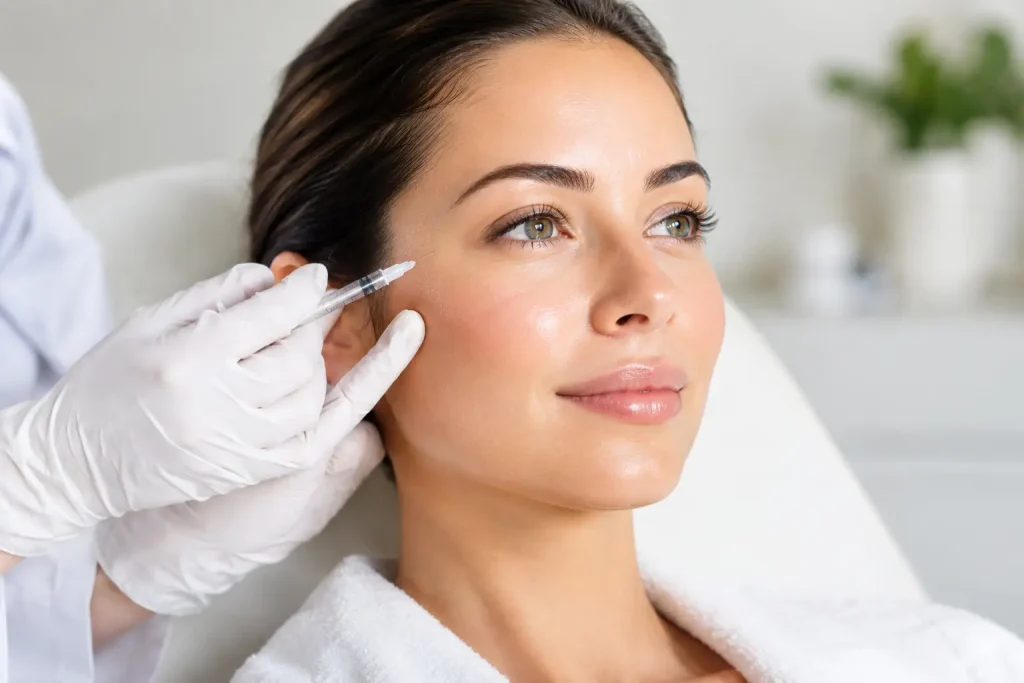
A skin booster is a series of tiny injections placed just beneath the skin’s surface. Most established skin boosters use hyaluronic acid, a substance naturally found in the body that attracts and holds water. Unlike traditional dermal filler, it is usually a softer, more fluid product that is spread across an area to support overall skin quality.

The aim is not to build volume in the cheeks, sharpen the jawline or create a fuller lip shape. Instead, skin boosters focus on hydration, texture and radiance. They can help skin look smoother and more rested, particularly where dehydration, fine lines or a slightly crepey texture are making your complexion feel less fresh.

Results are often subtle in the best way. Friends may simply think you look well, as though you have had a proper break, more water and a brilliant facial. The treatment works gradually, so it suits clients who prefer refined enhancement over an obvious aesthetic change.

How do skin boosters work?

Hyaluronic acid acts like a moisture magnet. When injected into the skin, it can improve hydration in the treated area and support a more supple appearance. Many formulas are also designed to encourage the skin’s own collagen and elastin response over time, although the exact result depends on the product used, your skin condition, lifestyle and aftercare.

An aesthetic practitioner maps the chosen area, then uses a very fine needle or cannula to place small amounts of product at carefully selected points. Some people describe a light sting or pressure. Numbing cream may be used where appropriate to make the appointment more comfortable.

You may notice a little glow quite quickly, but the more settled result usually develops over the following weeks as the product integrates and hydration improves. Many treatment plans involve an initial course of two or sometimes three appointments, spaced a few weeks apart, followed by maintenance when needed.

Skin boosters vs dermal fillers

Skin boosters and fillers are both injectable treatments, and some use hyaluronic acid, but they have different jobs. Knowing the difference helps you choose a treatment that matches what you actually want to improve.

Dermal filler is used to add or restore shape and volume. It may be chosen for fuller lips, cheek contour, tear trough concerns, chin projection or facial balancing. It is generally more structured than a skin booster and is placed with a specific shaping goal in mind.

A skin booster is more about the condition of the skin itself. It can be a lovely option if your face looks dehydrated, make-up is sitting unevenly, or fine lines are more noticeable than usual. It will not replace lost volume or give the lifting effect of strategically placed filler. Equally, filler will not necessarily address dullness and dehydration across a wider area.

For some clients, the best approach is a combination plan. For example, subtle contouring might be paired with a skin booster course to keep the complexion looking hydrated and naturally radiant. A consultation is the right place to discuss this, rather than choosing based on a social media trend alone.

Which areas can be treated?

Skin boosters are versatile, but suitability always depends on the product and assessment. The face is the most popular treatment area, particularly the cheeks, lower face and areas where skin looks dull or dry. They may also be used on the neck, décolletage and hands, where fine lines and loss of smoothness can be more visible.

Under-eye concerns need careful assessment. Dark circles, puffiness, hollowness and fine lines can have different causes, so an under-eye skin booster is not a one-size-fits-all answer. A qualified practitioner should assess the tissue, your medical history and the result you are hoping for before recommending treatment.

If your goal is event-ready skin for a wedding, birthday, holiday or big night out, plan ahead. Skin boosters are not usually a last-minute treatment because temporary swelling or small injection marks can occur, and the best result is not always immediate.

What can skin boosters help with?

Skin boosters are often selected for dehydrated, lacklustre or uneven-looking skin. They can help improve the appearance of fine lines caused by dryness, rough texture and a loss of that smooth, light-reflecting finish people associate with healthy skin.

They are particularly popular when seasonal weather, central heating, stress, late nights or a busy social calendar have left the complexion looking less vibrant. They can complement a good skincare routine, but they do not replace daily SPF, gentle cleansing, moisturiser or professional advice for conditions such as acne, rosacea or pigmentation.

It is also worth keeping expectations realistic. A skin booster cannot erase deep wrinkles, tighten significant loose skin or treat every skin concern. If texture, scarring, pigmentation or active breakouts are your main concern, another aesthetic or facial treatment may be more suitable, either instead of or alongside injectable hydration.

What happens at a skin booster appointment?

A professional appointment should begin with a consultation, not the injection. Your practitioner should ask about your medical history, allergies, current medication, previous aesthetic treatments and the result you want. They should explain the product being considered, where it will be placed, possible side effects, aftercare and the cost of your recommended plan.

On the day, your skin is cleansed and the treatment area may be marked. The injections themselves are usually relatively quick, although appointment length varies depending on the areas being treated. Small raised bumps can be visible immediately after some techniques. These normally settle as the product disperses, but your practitioner will explain what is expected for your individual treatment.

At Glam Master, a consultation-led approach means your skin goals come first. Whether you want a soft glow before a special occasion or a longer-term plan for more hydrated-looking skin, you should leave knowing what treatment has been recommended and why.

Downtime, side effects and aftercare

Skin booster downtime is usually minimal, but it is still an injectable treatment. Common short-term effects can include redness, tenderness, swelling, bruising, itching or small bumps at injection points. These often settle within a few days, although bruising can last longer for some people.

For the first 24 to 48 hours, your practitioner may advise avoiding strenuous exercise, excessive heat, saunas, steam rooms, alcohol and heavy make-up. Keep the area clean, avoid pressing or massaging it unless specifically instructed, and follow any personalised aftercare advice you are given.

Do not book injectable treatments if you have an active skin infection, are feeling unwell, or have a cold sore outbreak near the treatment area. Pregnancy and breastfeeding, certain medical conditions and particular medications may also affect suitability. Always be open in your consultation – this is about getting a beautiful result safely, not rushing into an appointment.

How long do skin booster results last?

There is no single answer because longevity varies by product, treatment area, metabolism, skincare routine, sun exposure and the condition of your skin before treatment. Many people enjoy the effects for around six months, while others may need maintenance sooner or find that results last longer after an initial course.

A good practitioner will not promise identical results for everyone. They will recommend a sensible schedule based on your skin and budget, then review how you respond. Consistency matters more than chasing an overly dramatic result.

Is a skin booster right for you?

A skin booster may be a great match if you want smoother, more hydrated and luminous-looking skin without changing your natural features. It is especially appealing if your concern is skin quality rather than facial volume. However, the right treatment depends on what is causing the concern in the first place.

The most flattering aesthetic results are rarely about doing the most. They come from choosing a treatment that suits your face, your skin and your lifestyle. Book a consultation, ask questions, and give your skin the thoughtful care it deserves.
Botox vs Skin Boosters for Smoother Skin

Botox vs Skin Boosters for Smoother Skin

Your skin can look tired for more than one reason. Fine lines around the forehead may make you look stressed, while dehydration can leave your complexion flat even after a good night’s sleep. That is why the Botox vs skin boosters question is not about which treatment is better overall. It is about choosing the injectable that suits what your skin is actually asking for.

Botox and skin boosters can both refresh your appearance without surgery, but they work in very different ways. One relaxes targeted facial muscles to soften expression lines. The other delivers hydration beneath the skin for a plumper, dewier-looking finish. Knowing the difference helps you spend wisely and get results that still look like you.

Botox vs skin boosters: the key difference

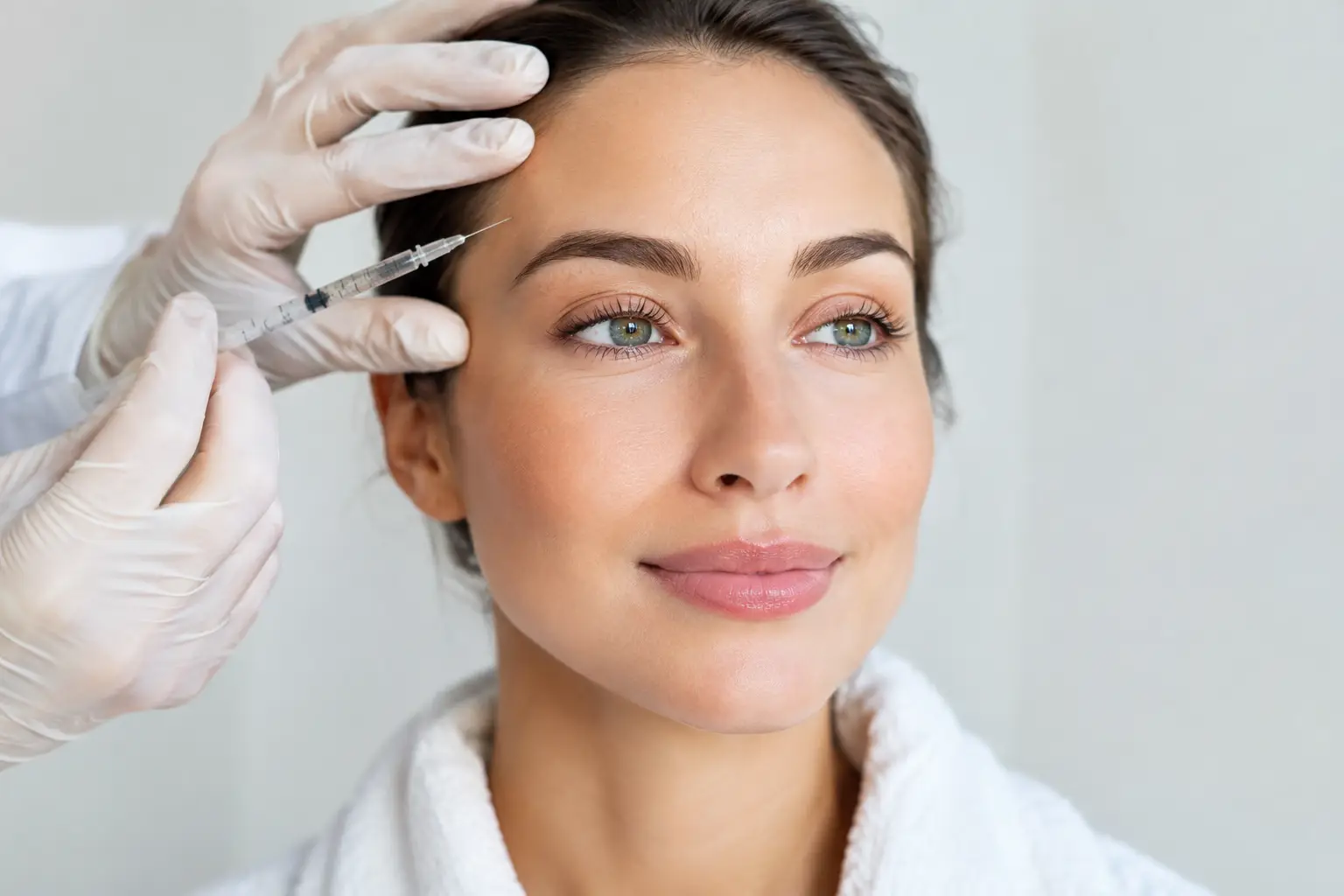
Botox is a brand name commonly used when people talk about anti-wrinkle injections. This treatment uses botulinum toxin to temporarily reduce movement in carefully selected facial muscles. When those muscles relax, lines caused by repeated expressions can appear softer. Think forehead lines, frown lines and crow’s feet.

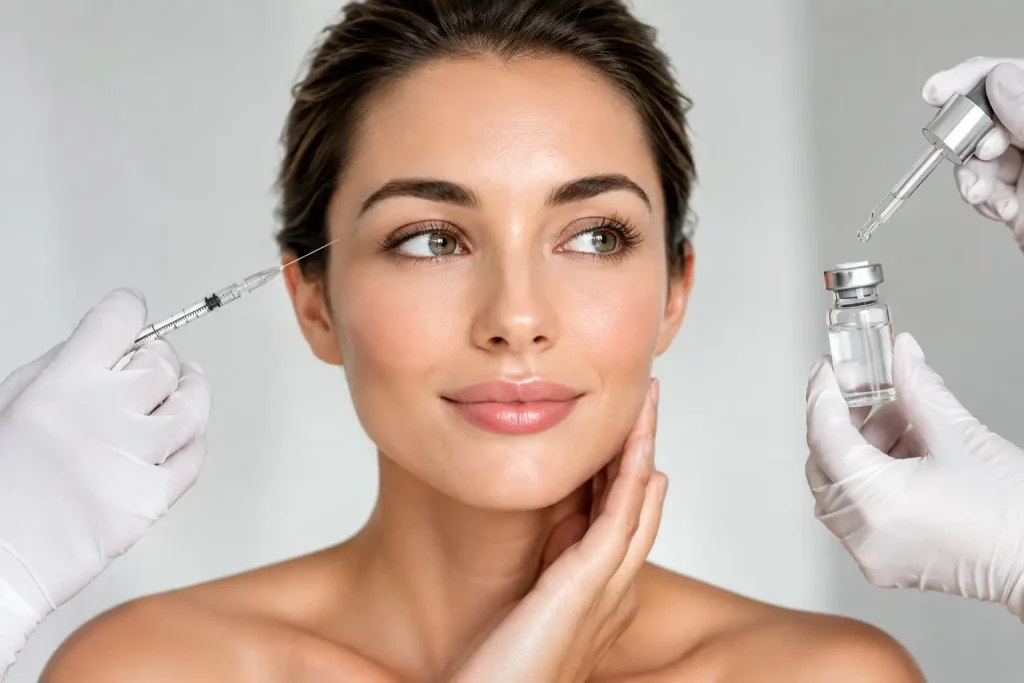
Skin boosters are injectable treatments designed to improve skin hydration and quality. They usually contain hyaluronic acid, a substance that attracts water, although the exact formula varies by product. Rather than adding obvious volume or changing the shape of your face, skin boosters are placed in the skin to support a smoother, fresher and more luminous appearance.

The simplest way to separate them is this: Botox treats movement, while skin boosters treat hydration and skin texture.

Choose Botox if expression lines are your main concern

If your lines appear most clearly when you raise your brows, smile, squint or frown, Botox may be the more suitable option. It is especially popular for clients who want their upper face to look more rested without looking frozen or overdone.

A skilled practitioner will assess how your face moves before recommending treatment. The aim is not to erase every expression. It is to soften the movement that is creating unwanted creases while keeping your result balanced and natural-looking.

Botox is often chosen for:

  • forehead lines that deepen when you raise your eyebrows
  • frown lines between the brows
  • crow’s feet at the outer corners of the eyes
  • a brow-lift effect in suitable clients
  • jaw tension or teeth grinding, following a proper consultation

Results do not usually appear immediately. Most clients begin to notice a change within a few days, with the full result commonly developing over around two weeks. The effect is temporary and often lasts around three to four months, although this varies with the treatment area, dosage, metabolism and your own facial movement.

Botox will not add hydration, fill hollow areas or improve dry, crepey texture on its own. If your concern is dullness rather than movement lines, a skin booster may offer more of the glow you have in mind.

Choose skin boosters for glow, bounce and hydration

Skin boosters are ideal when your skin feels thirsty, looks dull under make-up or has lost some of its soft, bouncy quality. They are commonly used on the face, neck, décolletage and hands, depending on the product and your suitability.

The treatment works gradually. Instead of the more immediate shape change associated with dermal filler, skin boosters support hydration within the skin over time. Your complexion may look smoother, healthier and more radiant, while fine lines caused by dryness can become less noticeable.

This is a favourite option before weddings, birthdays, holidays and other occasions when you want your make-up to sit beautifully and your bare skin to look more refreshed. It can also be a great maintenance treatment for clients who want a polished, healthy-looking finish without changing their facial features.

Many skin-booster plans involve an initial course of treatments, often spaced a few weeks apart, followed by maintenance sessions. The ideal schedule depends on the product used, your skin condition and the result you want to maintain. Your practitioner should explain the expected treatment plan before you book.

Can you have Botox and skin boosters together?

Yes, in many cases these treatments complement each other beautifully. Botox can soften the lines created by muscle movement, while skin boosters can improve the overall quality, hydration and radiance of the surrounding skin.

For example, someone with forehead expression lines and dehydrated cheeks may benefit from Botox in the upper face alongside skin boosters for a more luminous complexion. Neither treatment has to compete with the other. They simply answer different concerns.

Timing matters, though. Your practitioner may recommend treating one area first, leaving time for it to settle, or creating a staged plan around a special event. If you are new to injectables, starting conservatively is often the best approach. You can always build on a result, but your treatment should never feel rushed.

What do the appointments and downtime feel like?

Both treatments are relatively quick appointments, but the experience is not identical. Botox uses very small injections in precise points across the chosen muscle area. Most people describe a brief pinching sensation. There is usually little to no downtime, although small raised bumps, redness or bruising can occur temporarily.

Skin boosters involve a series of tiny injections across the treatment area, or sometimes a cannula technique where appropriate. You may see small bumps, redness, tenderness or minor swelling afterwards. These effects typically settle, but they are worth considering if you have an important event the next day.

Your practitioner will give you personalised aftercare. It is generally sensible to avoid touching or massaging the area unless advised, skip intense exercise for the recommended period and plan your appointment with any big occasion in mind. Do not book injectable treatment for the first time on the morning of a major event.

Safety comes before a special offer

Injectables are aesthetic treatments, but they are still medical procedures. Botox is a prescription-only medicine in the UK and should only be provided following an appropriate consultation and prescription process. Skin boosters should also be selected and administered by a properly trained, insured professional using genuine products.

Be open about your medical history, allergies, medications, previous injectable treatments and whether you are pregnant or breastfeeding. A responsible practitioner may decide that treatment is not suitable right now, or may suggest waiting. That is good care, not a lost opportunity.

Price should never be the only deciding factor. Very cheap injectables can raise questions about product sourcing, experience and whether enough time has been allowed for a proper consultation. The best value is a treatment plan that is safe, tailored and designed around your features rather than a one-size-fits-all dose.

How to decide which treatment is right for you

Look closely at what bothers you most when you are not wearing make-up. If your concern appears when your face moves, Botox may be your starting point. If your concern is tightness, dullness, make-up catching on dry patches or a loss of glow, ask about skin boosters.

It also depends on your expectations. Botox can make dynamic lines less noticeable, but it cannot replace lost volume or deeply rebuild damaged skin. Skin boosters can improve hydration and luminosity, but they will not stop a strong frown line from forming when you contract the muscle beneath it.

A consultation is where the real answer comes together. Your practitioner can look at skin quality, facial movement, symmetry, lifestyle and the timing of your plans. At Glam Master, the goal is a treatment plan that feels glamorous but still believable – refreshed skin, softened lines and confidence that does not announce itself before you do.

If you are choosing between Botox and skin boosters, bring a clear concern rather than a treatment request. Tell your practitioner what you see in the mirror, what you would like to improve and when you need to feel your best. The right injectable treatment is the one that gives your skin a polished, well-rested look while respecting your natural expressions and features.

Can Botox Prevent Fine Lines Before They Set In?

Can Botox Prevent Fine Lines Before They Set In?

Those faint forehead creases that only appear when you laugh, frown or raise your brows can feel like the first sign that your skin is changing. So, can Botox prevent fine lines from becoming more noticeable? For the right person, carefully placed anti-wrinkle treatment can soften repetitive movement before lines become deeply etched at rest. The goal is not to erase your expression or change your face. It is to keep your look fresh, smooth and naturally you.

Can Botox Prevent Fine Lines?

Botox is a prescription anti-wrinkle treatment that temporarily relaxes selected facial muscles. When a muscle contracts less strongly, the skin above it folds less often. Over time, this may help reduce the repeated creasing that contributes to expression lines becoming more fixed.

This is why people often call it preventative Botox. It does not stop ageing, change skin texture or block every future line. It simply reduces the force and frequency of specific facial movements in areas where dynamic lines are beginning to show.

The most commonly treated areas are the forehead, the frown lines between the brows and crow’s feet around the eyes. These are all places where everyday expressions can repeatedly fold the same delicate skin. If fine lines are visible only when your face moves, treatment may be especially effective at keeping them softer-looking.

Preventative treatment is not about starting as early as possible. It is about choosing the right treatment at the right time, based on your facial movement, skin condition and the look you want to achieve.

Dynamic Lines vs Lines at Rest

Understanding the difference between these two types of lines makes the decision much clearer. Dynamic lines appear when you make an expression. Think of the horizontal lines across your forehead when you look surprised, or the little creases beside your eyes when you smile. These are the lines anti-wrinkle injections are designed to target.

Lines at rest remain visible even when your face is completely relaxed. They can develop after years of repeated movement, but sun exposure, dehydration, smoking, natural collagen loss and genetics all play a part too. Botox may still soften the muscle activity that contributes to these lines, but it may not remove deeper creases on its own.

When lines are already set in, a personalised plan may include anti-wrinkle treatment alongside skin-focused options such as professional facials and a consistent home skincare routine. The best approach depends on whether your main concern is movement, texture, volume loss or a combination of all three.

Who May Benefit From Preventative Botox?

There is no magic age to begin. Some clients notice expressive lines in their twenties, while others have very smooth skin well into their thirties or beyond. Starting treatment because of a birthday alone is rarely the best reason.

You may be a good candidate if you have strong, repetitive facial expressions and are beginning to notice fine lines that linger after you relax your face. You may also simply want a polished, refreshed appearance while keeping your movement soft and natural for work, events or everyday confidence.

A consultation matters because two people with the same concern can need very different plans. One person may need a light dose in one area to soften an intense frown. Another may not need treatment yet, or may benefit more from improving hydration, daily SPF use and skin quality first.

It is also worth being honest about your preference. If you love a very expressive brow, a heavy forehead treatment may not suit you. If your priority is a smoother make-up base and less visible frown movement, a subtle approach may be ideal. Great results should fit your face, not a trend.

When Is the Right Time to Start?

The right time is when the concern is real for you and a qualified practitioner agrees that treatment is appropriate. You do not need to wait until lines are deep, but you do not need injections simply because preventative Botox is popular online either.

A consultation should look at your facial anatomy, muscle strength, existing lines and medical suitability. It should also cover your expectations. Anti-wrinkle injections work gradually, with results usually developing over the following days and reaching their full effect at around two weeks. The effect is temporary, so maintenance appointments are needed if you want to keep the result.

For many clients, a lighter, considered first treatment is the smartest place to begin. You can see how your face responds and decide whether you want to maintain, adjust or pause at a future appointment. Subtle treatment can be built on. Overdone treatment is much harder to love while it wears off.

What Botox Cannot Do for Fine Lines

Anti-wrinkle treatment is powerful, but it is not a replacement for good skin habits. It cannot protect your skin from UV damage, restore lost collagen overnight or treat every cause of crepey texture and fine lines.

Daily broad-spectrum SPF is one of the best investments you can make for preventing premature ageing. Sun exposure breaks down collagen and can make fine lines look more noticeable, whatever treatments you choose. Keeping skin hydrated, avoiding smoking, sleeping well where possible and using suitable skincare can all support a brighter, healthier-looking complexion.

Botox also cannot guarantee that you will never develop lines. Ageing is normal, and every face changes differently. The benefit is control: reducing the movements that may make particular expression lines deepen over time, while helping you look rested now.

What to Expect From Your Appointment

Your appointment should begin with a proper consultation rather than a one-size-fits-all injection map. Your practitioner will ask about your medical history, any medications, previous aesthetic treatments and the result you are hoping for. They should assess your face while relaxed and in motion, because your expressions are part of the treatment plan.

The injections themselves are quick, using a very fine needle in carefully selected points. Most clients describe the feeling as small pinches. You may have tiny raised bumps or mild redness immediately afterwards, but these commonly settle quickly. Your practitioner will give you clear aftercare advice tailored to your treatment.

Results should look like you on a good skin day: smoother in the treated area, less intense in certain expressions and never obviously frozen unless that is the specific look you have discussed. If you are new to injectables, ask for a conservative, natural-looking result. It is always better to start with intention than chase an overly smooth finish.

Make Your Results Work Harder

If preventing fine lines is your goal, think beyond one appointment. Use SPF every day, including cloudy Manchester days, and choose skincare that supports your skin barrier rather than irritating it. Regular hydration and professional skin treatments can complement anti-wrinkle injections by improving the overall glow and smoothness of your complexion.

Timing matters too. Book treatment well ahead of weddings, holidays and major events, especially if it is your first time. You want enough time for your results to settle and for any review, if recommended, to take place without pressure.

At Glam Master, a consultation gives you space to talk through the areas you want to treat, the level of movement you want to keep and the best route towards a fresh, confident result. If fine lines are starting to catch your eye, choose informed, personalised treatment rather than guessing. A subtle plan now can help your skin look beautifully relaxed for the moments ahead.